
What is a PCB Welding Terminal
author: Clark
2026-05-22
What is a PCB Welding Terminal?
– The Essential Connection for BMS, Inverters and Energy Storage
Published on: //www.duanzitai.com
In modern power electronics, new energy, and industrial equipment, PCB welding terminals have become indispensable core components. They serve as a stable, reliable bridge between external wires and printed circuit boards (PCBs), especially in high‑current applications such as battery management systems (BMS), inverters, and battery energy storage. This article fully explains what PCB welding terminals are, their structure, working principles, installation methods, and focuses on introducing TELIAN (Dongguan Telian Electronics Co., Ltd.)—a leading manufacturer specializing in PCB welding terminals. We will highlight their applications and advantages in BMS, inverters, and energy storage systems, and showcase TELIAN’s strong capabilities in design, manufacturing, and certification.
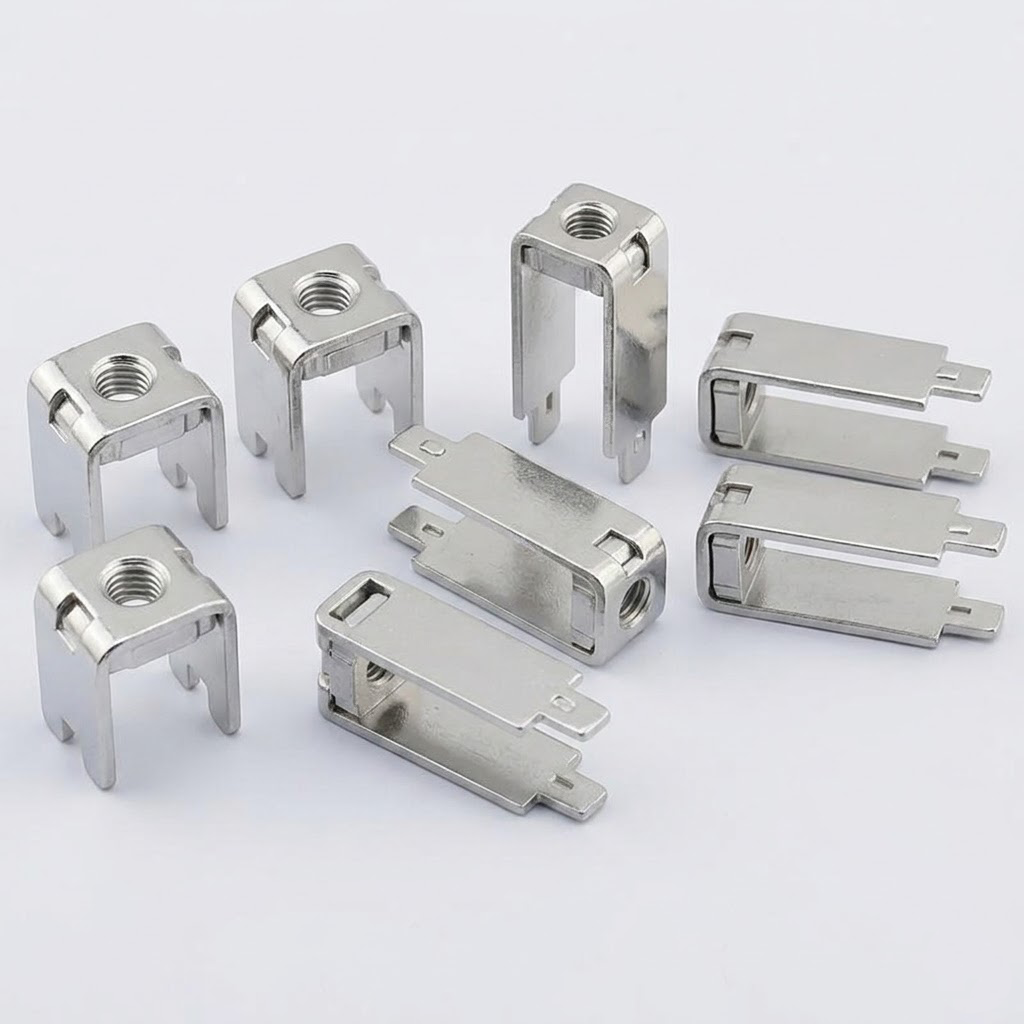
What Is a PCB Welding Terminal?
PCB welding terminal (also known as PCB solder terminal, PCB screw terminal) is a specialized electrical connector designed to be permanently soldered onto a PCB to connect external wires, cables, or busbars with the circuit board. It integrates mechanical fixation, electrical conduction, insulation protection, and wiring management, enabling orderly, safe, and detachable connection between wires and PCBs.
When a PCB is designed to carry high current, traditional pin headers or direct soldering are no longer sufficient. PCB welding terminals provide a professional solution with high current carrying capacity, stable contact, vibration resistance, and easy maintenance.
Core Functions
- Provide reliable high‑current transmission paths between wires and PCBs
- Organize complex wiring networks to simplify assembly and maintenance
- Insulate and isolate circuits to prevent short circuits, electric shock, and interference
- Withstand high voltage, high temperature, vibration, and harsh environments
- Support repeated wiring without damaging the PCB
Two Main Mounting Types
PCB welding terminals connect to the board mainly through DIP and SMD methods, adapting to different production processes and structural layouts. - DIP (Through‑hole) TypePins are inserted through pre‑drilled holes on the PCB and soldered on the reverse side.
- Advantages: firm mechanical combination, strong anti‑pull force, suitable for high‑current and high‑vibration scenarios
- Applications: BMS main control boards, inverter power terminals, high‑power energy storage modules
- SMD (Surface Mount) TypePads are directly soldered on the PCB surface without drilling holes.
- Advantages: compact size, suitable for automated production, saves PCB space
- Applications: compact BMS sampling boards, low‑power control circuits, communication signal terminals
About TELIAN – Dongguan’s Professional PCB Welding Terminal Manufacturer
Dongguan Telian Electronics Co., Ltd. (TELIAN) is a national high‑tech enterprise focusing on R&D, design, and manufacturing of terminal blocks and connectors. With more than 20 years of industry experience, TELIAN has become a leading supplier in new energy, energy storage, inverters, BMS, electric vehicles, and industrial control fields.
Core Strengths of TELIAN

-
Professional Focus on PCB Welding TerminalsTELIAN’s core business is PCB welding terminals, with rich technical accumulation and mature solutions. We deeply understand the high‑current, high‑reliability requirements of energy applications and provide products perfectly compatible with mainstream BMS and inverters on the market.
-
Strong Independent R&D and Custom Design CapabilitiesWe have an experienced R&D team and complete in‑house capabilities from product design, mold development, stamping, injection molding to automated assembly. We support OEM & ODM customized services to meet customers’ special needs in current, pin pitch, structure, and appearance.
-
Full‑chain Manufacturing and Strict Quality ControlEquipped with precision testing instruments, mold processing equipment, high‑precision hardware stamping, plastic molding, and automated assembly lines, we realize full‑process quality control. Products have passed UL flame‑retardant certification, RoHS environmental certification, and meet international standards such as IEC and CEC.
-
Proven Track Record in the Energy SectorIn energy storage, photovoltaic inverters, BMS, electric vehicle charging, and other fields, TELIAN’s PCB welding terminals have been widely used and highly recognized by customers. We have delivered satisfactory results with stable performance and reliable quality in large‑scale energy projects.
Structure and Key Technical Features of TELIAN PCB Welding Terminals
TELIAN PCB welding terminals adopt optimized design and high‑performance materials to ensure excellent performance in high‑current, long‑term use scenarios.
Basic Structure

- Conductive parts: High‑precision brass or T2 copper, with tin‑plated or silver‑plated surface, low contact resistance, good conductivity
- Insulation housing: High‑temperature resistant, flame‑retardant engineering plastic (PA66/PBT, UL94 V‑0), safe and environmentally friendly
- Fixing mechanism: screw crimping or spring clamping, firm wiring, not easy to loose
- Welding pins: DIP or SMD structure, reliable welding, strong mechanical strength
Key Technical Parameters
- Current range: 20A–300A, covering low‑power signals to high‑power main circuits
- Rated voltage: 300V–1000V, adapting to battery and inverter systems
- Salt spray resistance: support 24h / 48h / 72h salt spray test, strong anti‑rust and anti‑corrosion ability
- Temperature resistance: -40℃ to +125℃, adapting to extreme environments
- Flame retardant grade: UL94 V‑0, ensuring safety under overload or short circuit
Applications and Advantages of PCB Welding Terminals in BMS, Inverters and Battery Energy Storage
PCB welding terminals are widely used in core energy equipment. Their stability, current‑carrying capacity, and reliability directly determine the safety and efficiency of the entire system. TELIAN PCB welding terminals have unique advantages in these fields.
1. Application in BMS (Battery Management System)
BMS is the “brain” of the battery pack, responsible for voltage/current/temperature monitoring, balance control, and safety protection. It requires high‑precision, high‑stability connections.
Typical Applications
- Voltage and temperature signal sampling terminals
- BMS main power circuit high‑current connection
- Communication circuit (CAN / RS485) connection
- Relay, fuse, and other peripheral component wiring
Core Advantages
- Stable signal transmission: low contact resistance ensures accurate sampling without distortion
- High current support: 20A–100A products meet BMS power circuit needs
- Vibration resistance: firm crimping structure prevents loosening in vehicles or mobile scenarios
- Compact design: saves PCB space, suitable for highly integrated BMS boards
- UL & RoHS certified: safe and environmentally friendly, complying with global new energy standards
2. Application in Inverters (Photovoltaic / Energy Storage Inverters)
Inverters convert DC power from batteries or photovoltaic panels into AC power for grid connection or load use, involving high‑power input and output.
Typical Applications
- DC input high‑current terminal
- AC output power distribution terminal
- Control board signal wiring
- Cooling system, auxiliary power circuit connection
Core Advantages
- Ultra‑high current capacity: 100A–300A products handle inverter peak loads stably
- Low heat generation: high‑quality copper materials reduce power loss and temperature rise
- High insulation and anti‑interference: ensure stable operation of control circuits
- High temperature resistance: adapted to long‑term full‑load operation of inverters
- Easy installation and maintenance: screw crimping supports fast wiring without re‑soldering
3. Application in Battery Energy Storage Systems
Battery energy storage systems need safe, reliable, and expandable connections between battery packs, BMS, inverters, and distribution equipment.
Typical Applications
- Series and parallel connection of battery modules
- Internal and external circuit connection of energy storage cabinets
- High‑current connection between battery packs and inverters
- Portable energy storage power supply control board connection
Core Advantages
- Safe isolation: insulation structure prevents short circuits between positive and negative electrodes
- Long‑term stability: low resistance reduces heat generation during charging and discharging
- Anti‑corrosion: 72h salt spray resistance adapts to outdoor energy storage stations
- Modular design: supports system expansion and flexible configuration
- Reliable after‑sales: mature applications in multiple energy storage projects


Why TELIAN PCB Welding Terminals Are Preferred in Energy Fields
- Professional energy‑oriented design: optimized for high current, high temperature, and vibration
- Full current coverage: 20A–300A meets all levels of BMS, inverter, and energy storage needs
- High safety certification: UL flame retardant and RoHS environmental protection ensure system safety
- Strong customization: OEM/ODM supports personalized design for special equipment
- Mature application experience: verified by a large number of energy projects, stable and reliable
- Full‑chain manufacturing: independent R&D, mold, production, and quality control ensure delivery capacity
Conclusion
PCB welding terminals are key components that connect wires and PCBs, especially in high‑current scenarios of BMS, inverters, and battery energy storage. Their performance directly affects the safety, stability, and service life of the entire system.
As a professional manufacturer from Dongguan, TELIAN focuses on PCB welding terminal R&D and manufacturing, with strong design capabilities, complete product lines, and authoritative certifications. Our products are perfectly compatible with mainstream BMS and inverters, and have achieved outstanding performance in the energy field.
Whether you are developing BMS, designing inverters, or laying out energy storage systems, choosing TELIAN PCB welding terminals means choosing safety, stability, and reliability.
For more models, parameters, and customized solutions, please visit our official website://www.duanzitai.com
What is Battery Inverter Connector
PCB Welding Terminals and Batteries
Related Article
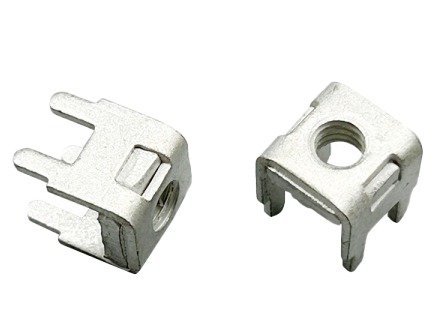
In industrial electrical systems, battery storage, and automotive wiring, connector terminal pins are the unsung backbone of power and signal transmission.
how to remove connector terminal pins
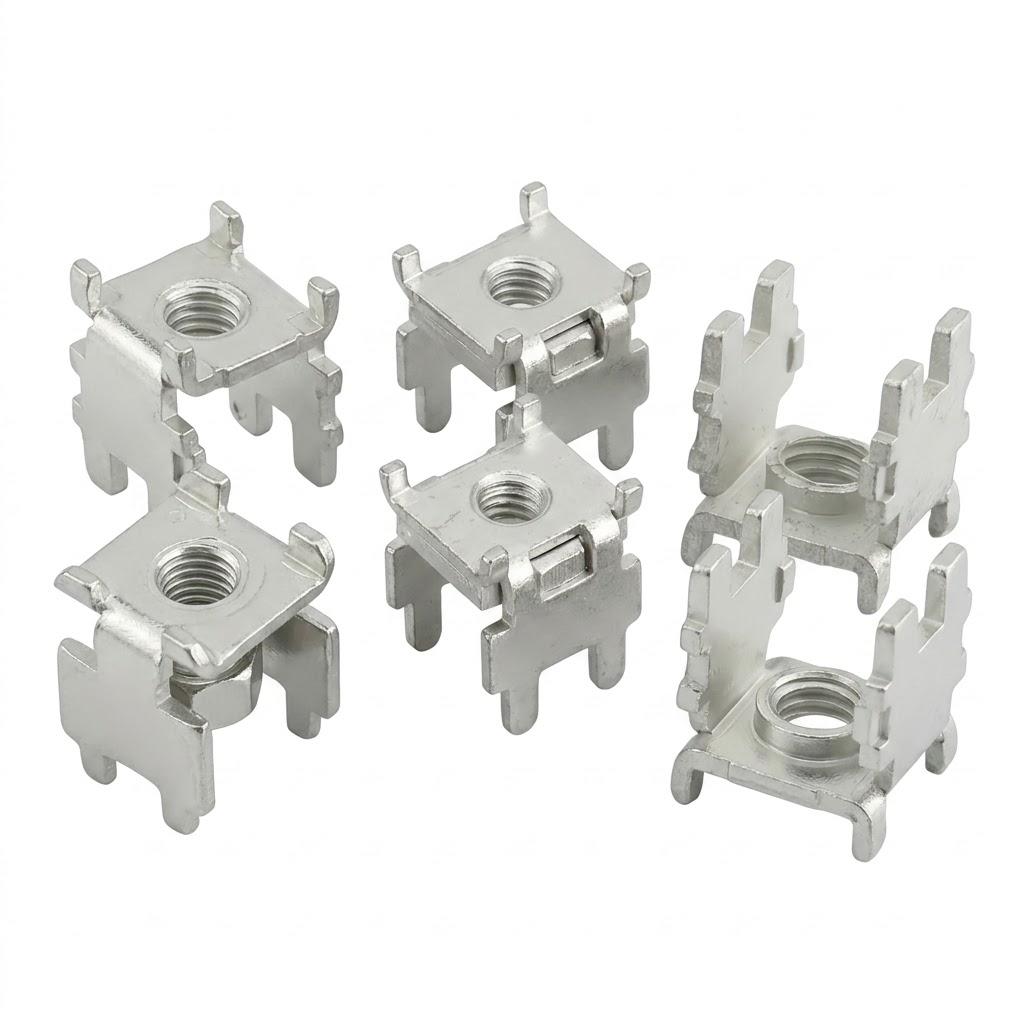
olar and energy storage inverters are the core equipment of the new energy industry, responsible for converting DC power generated by photovoltaic panels and lithium battery packs into usable AC power.
The Indispensable Core Partner of Solar