How to Use DIN Rail Terminal Blocks for Industrial Control Batteries Inverters
How to Use DIN Rail Terminal Blocks: A Complete Guide for Industrial Control, Batteries & Inverters
Welcome to our professional guide on DIN Rail Terminal Blocks—the fundamental wiring component used in electrical cabinets, control panels, and industrial equipment worldwide. Whether you are an electrical engineer, installer, or maintenance technician, mastering how to use DIN rail terminal blocks correctly will improve wiring efficiency, system safety, and long-term reliability. In this article, we will explain their functions, correct installation steps, key advantages, and introduce TELIAN from Dongguan Telian Electronics Co., Ltd., a professional terminal manufacturer with strong R&D, customization, and full‑series production capacity. We will also focus on Feed‑through Electrical Terminal Blocks and their critical applications and benefits in battery systems and inverters.
What Are DIN Rail Terminal Blocks?
- Securely connect, distribute, and manage wires
- Organize complex wiring networks into clear, structured circuits
- Enable easy installation, expansion, modification, and maintenance
- Ensure stable electrical continuity and high safety in power and control systems
About TELIAN & Dongguan Telian Electronics Co., Ltd.
Our Core Strengths
- Independent R&D and manufacturing: Complete in‑house capabilities including product design, mold processing, stamping, injection molding, and automated assembly
- Large‑scale production: Over 2,900 employees supporting stable mass supply
- Extensive product range: More than 3,000 terminal models covering various industrial needs
- High current capability: Products from 20A up to 300A to meet low‑power control to high‑power transmission demands
- Strict quality certification: All products comply with UL flame‑retardant certification and RoHS certification, meeting global safety and environmental standards
- Customization service: Professional R&D team supports OEM & ODM for tailored solutions
- Advanced equipment: Equipped with precision testing, mold making, hardware stamping, plastic forming, and automatic assembly lines
Key Types of TELIAN DIN Rail Terminal Blocks
- Feed‑through Electrical Terminal Blocks (standard general‑purpose type)
- High‑power terminal blocks for heavy‑duty current transmission
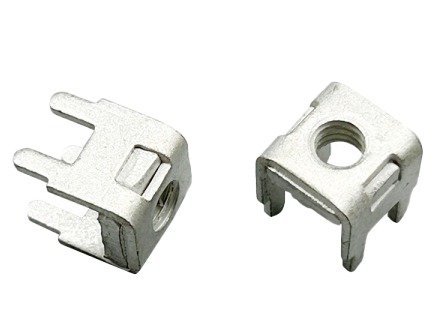
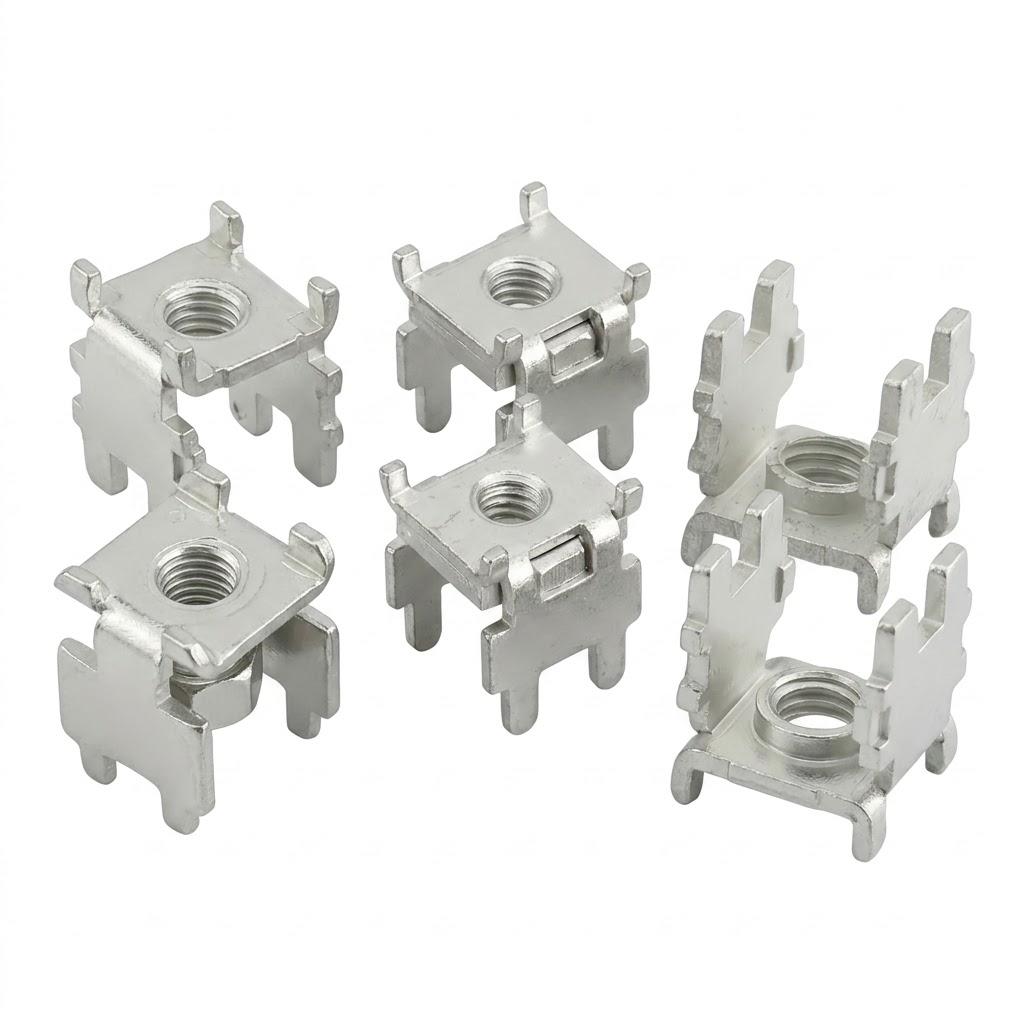
- PCB solder terminals for circuit board integration
- Through‑wall / bulkhead terminals for cabinet internal‑external connection
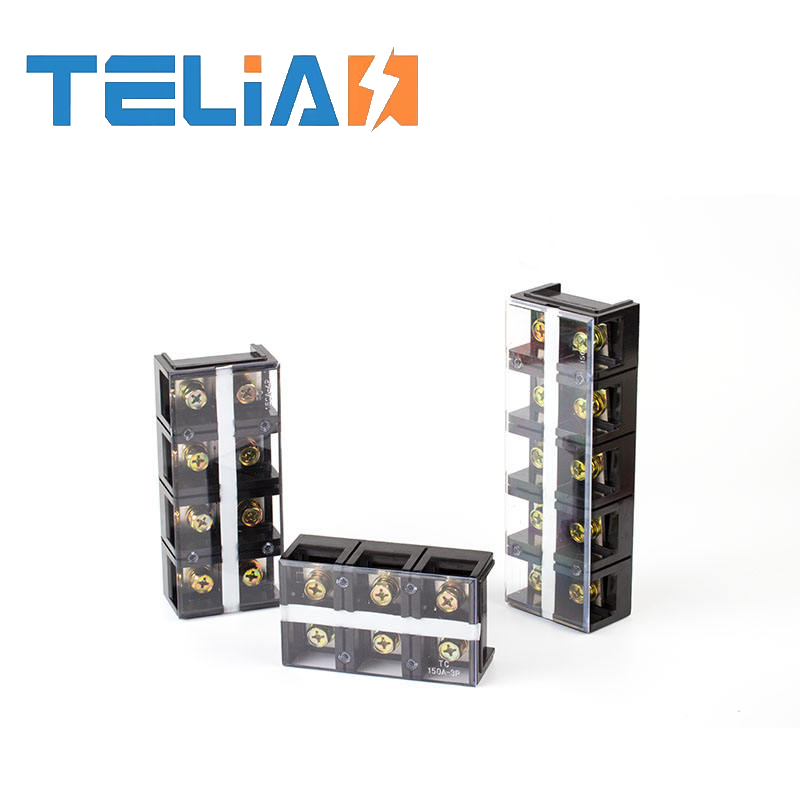
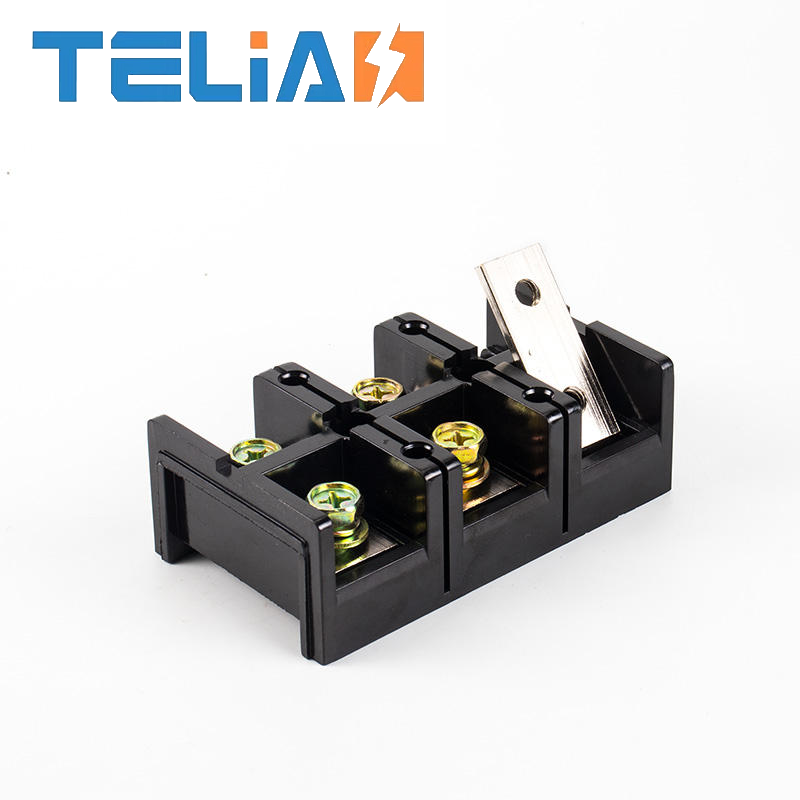
- Barrier / fence terminals for high‑current isolation
- Plug‑in terminals for fast assembly and maintenance
Step‑by‑Step Guide: How to Use DIN Rail Terminal Blocks Correctly
1. Preparation and Safety Measures
- Cut off power and confirm voltage‑free status
- Prepare tools: wire strippers, screwdrivers, torque wrench, markers, insulated gloves
- Check terminal model, rated current/voltage, wire range, and torque specifications
- Plan wiring layout and circuit grouping to optimize cabinet space
2. Wire Preparation
- Cut wires to appropriate length with reserved slack
- Strip insulation to the specified length (usually 5–10mm)
- For stranded wires: use ferrules to improve conductivity and prevent loosening
- Ensure no exposed copper strands to avoid short circuits
3. Mounting DIN Rail and Terminal Blocks
- Fix standard 35mm DIN rail firmly inside the cabinet
- Snap terminal blocks onto the rail until they lock securely
- Install end clamps to prevent movement caused by vibration or thermal expansion
- Arrange terminals by circuit function for clear identification
4. Wiring and Fixing
- Insert stripped wires fully into the clamping area
- Tighten screws to the specified torque (do not over‑tighten or under‑tighten)
- Ensure insulation is not clamped and conductors are fully secured
- For high‑current terminals: double‑check contact pressure
5. Inspection and Testing
- Visually inspect all connections for proper insertion and tightening
- Perform a gentle pull test to confirm firmness
- Use a multimeter to check continuity and insulation
- Label each circuit for future maintenance

6. Daily Maintenance
- Regularly check for looseness, overheating, discoloration, or damage
- Retighten screws as needed in high‑vibration environments
- Keep terminals clean and free of dust or moisture
Safety Rules for Using DIN Rail Terminal Blocks
- Do not exceed rated current/voltage to avoid overheating and failure
- Use matching wire gauge to ensure reliable contact
- Follow torque specifications to prevent loose or damaged connections
- Use flame‑retardant and RoHS‑compliant products for safety and environmental protection
- Regular inspection to maintain long‑term stability
- Comply with international standards such as IEC and UL
Conclusion
- Full series from 20A to 300A
- UL flame‑retardant and RoHS certifications
- Strong R&D and customization capabilities
- High quality and reliable performance
PCB Welding Terminals and Batteries
How to Use Terminal Block Connector for Industrial Energy Storage
Related Article