
How to Use a Terminal Block With Real Market Insights Telian Solutions
author: clark
2026-04-28
How to Use a Terminal Block: With Real Market Insights & Telian’s Solutions
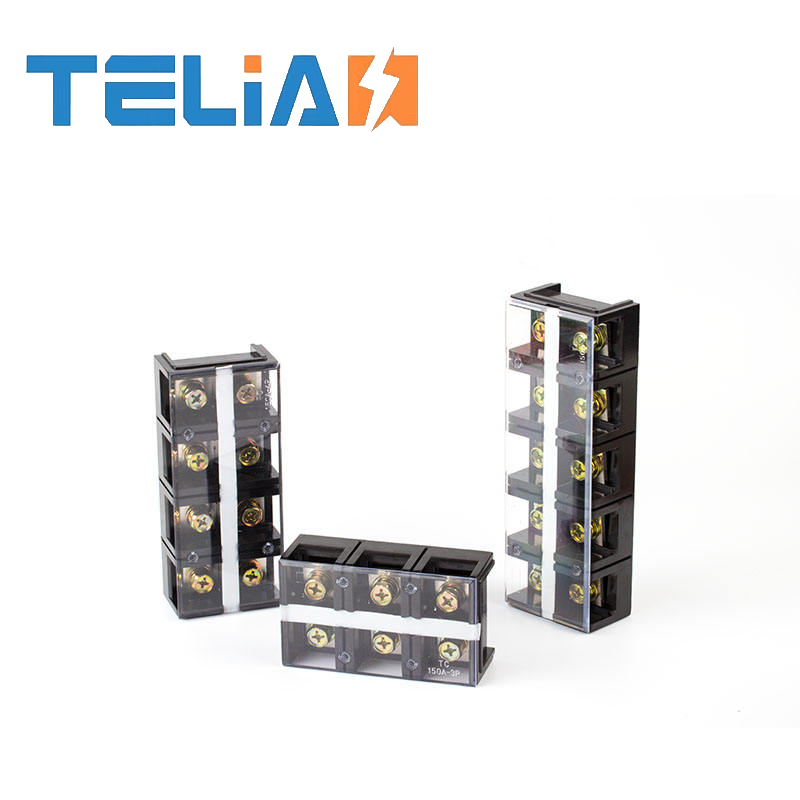
If you’ve ever walked through the 2026 Canton Fair, you’ve seen it firsthand: smart tech is taking over global trade, and small components like terminal blocks are quietly becoming make-or-break for high-end Chinese exports. Hall A was packed with robotics and intelligent equipment, while Hall C’s electronic components zone buzzed with buyers from BRICS and Asian countries—especially Indian clients, who are extremely optimistic about the wiring terminal market for new energy, inverters, and energy storage.
Here’s the hard truth: even the best terminal block will fail if you use it wrong. Loose connections, overheating, short circuits, and premature breakdowns don’t just ruin your device—they hurt your brand reputation, especially when exporting to high-standard markets like India, Europe, and North America.
In this post, I’m breaking down how to use a terminal block the right way (simple, step-by-step, no engineering degree needed), sharing industry best practices, and explaining why choosing a reliable manufacturer like Dongguan Telian Electronics Co., Ltd. (//www.duanzitai.com) will give you an edge in today’s competitive export market.
Whether you are facing a "mission impossible" involving high-torque requirements and compact PCB designs, or seeking a reliable strategic partner for global new energy projects, Teliang’s technical team is ready to provide you with precision-engineered terminal blocks and customized solutions.
Connect with our Technical Sales Expert:
-
Contact Person: Clark (Technical Sales Manager)
-
Mobile/WhatsApp: +86 15855488151
-
Email: lihelong@telian.cn
-
Official Website: www.duanzitai.com
-
Service Philosophy: Customer problems are our innovation propositions.
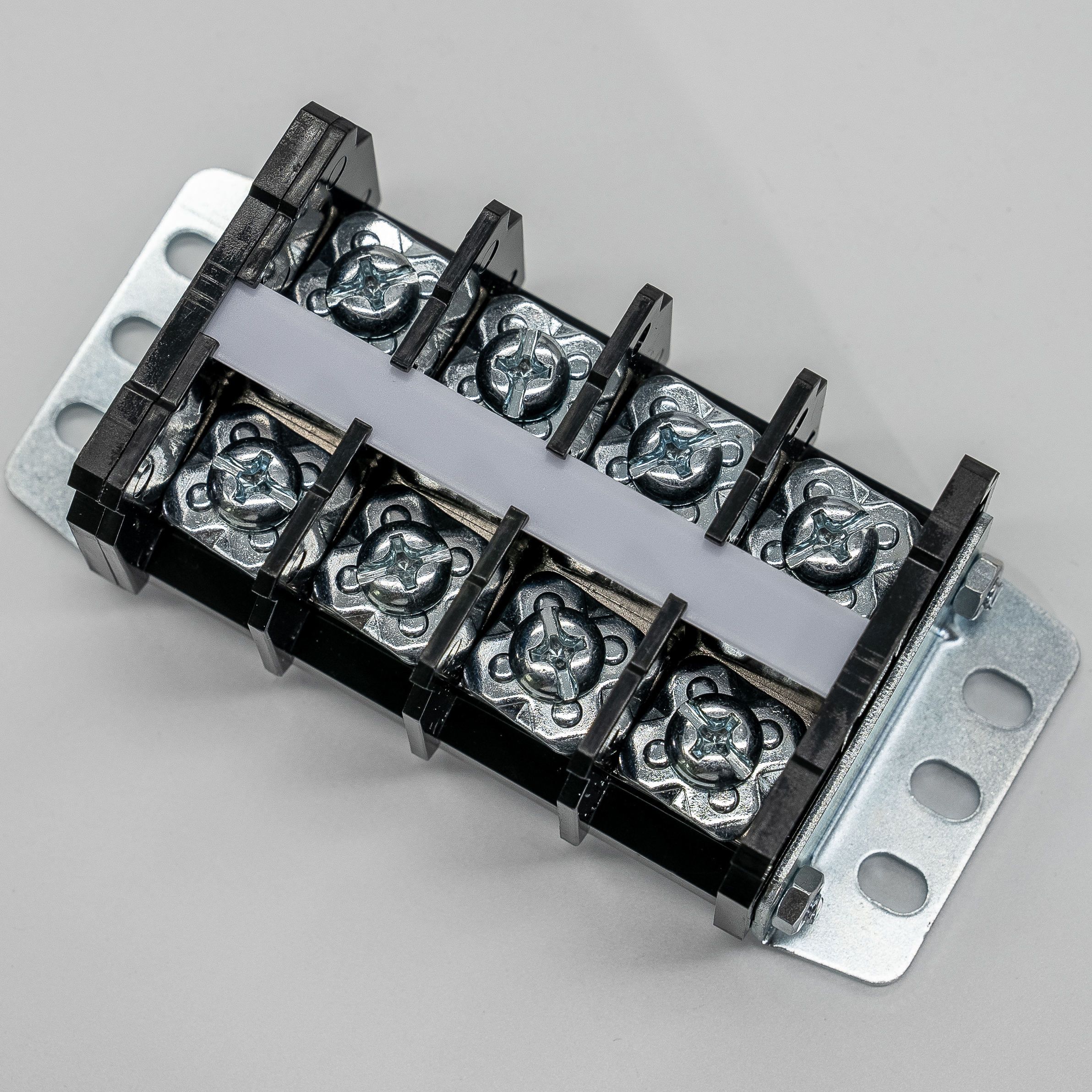
First Things First: What Even Is a Terminal Block? (Super Simple Version)
A terminal block (also called a terminal strip or connection terminal) is a modular, insulated component that safely connects multiple wires, links wires to a PCB, or routes power in industrial and energy systems. It keeps wiring neat, prevents short circuits, and makes maintenance way easier.
You’ll find them in every smart device, solar inverter, battery energy storage system (BESS/BMS), industrial control panel, and PCB assembly. They’re the unsung heroes of modern electronics—and using them correctly is non-negotiable for safety and reliability.
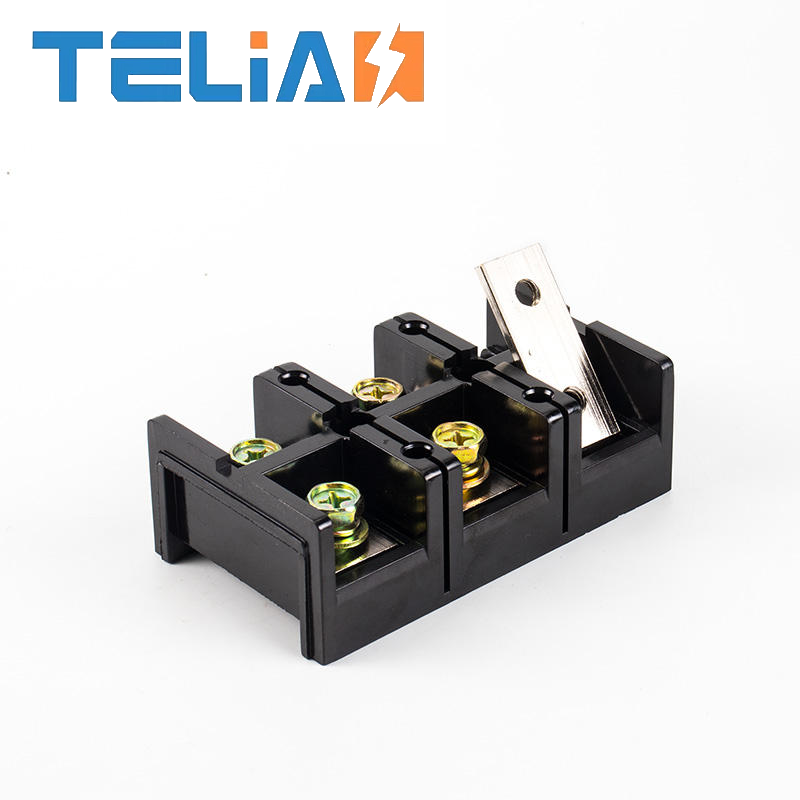
Dongguan Telian Electronics makes over 3,000 terminal block models for nearly every scenario: PCB screw terminals, energy storage terminals, barrier/fence-type terminals, feed-through/through-wall terminals, DIN rail terminals, and high-current power terminals. All their products stand out for excellent material toughness, corrosion resistance, and strong pressure resistance—perfect for harsh export markets like India.
Tools You Need to Use a Terminal Block (No Fancy Gear Required)
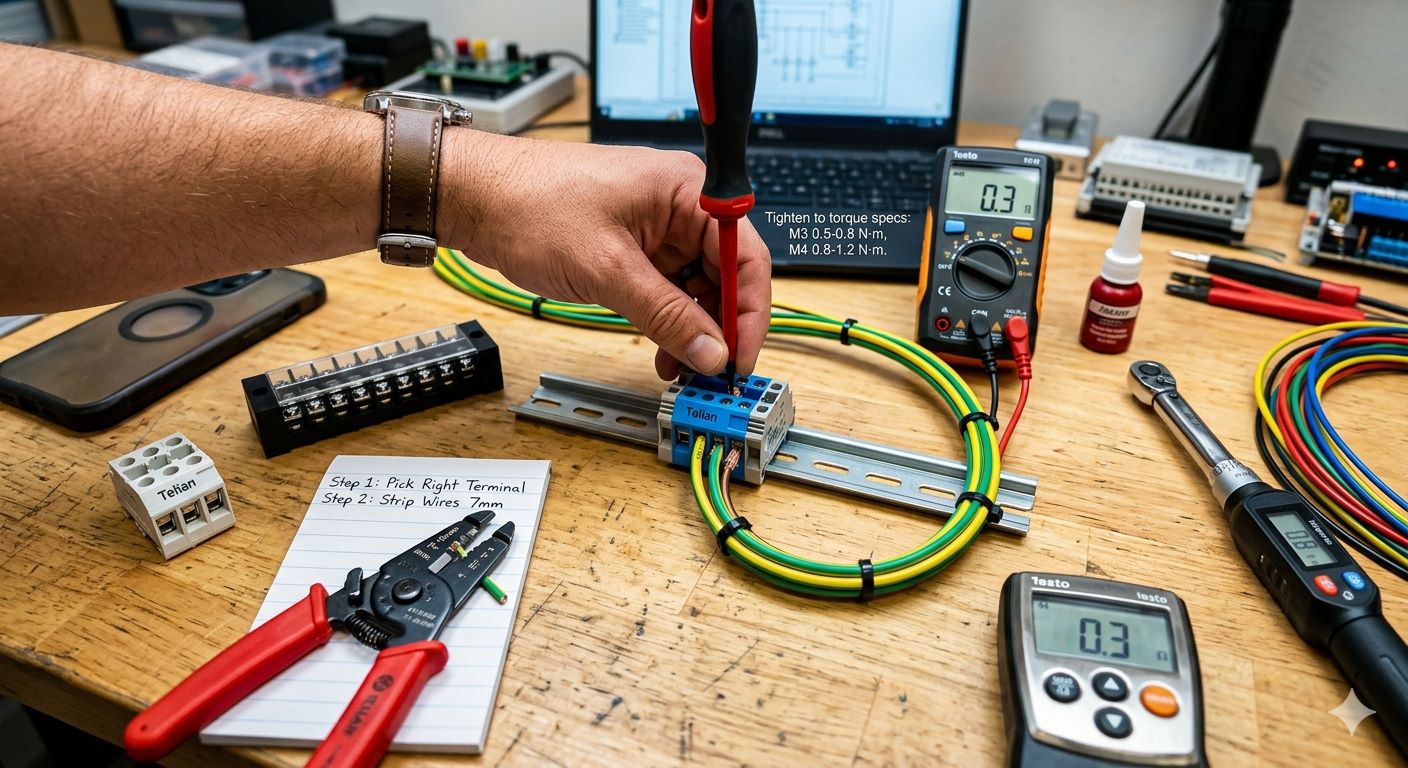
Before you start wiring, grab these basic tools to do the job right:
- Wire strippers (with depth gauge to avoid damaging conductors)
- Insulated screwdriver (matches your terminal’s screw size)
- Torque screwdriver (for industrial/high-current applications)
- Multimeter (to test continuity after installation)
- Cable ties (to organize wires and reduce stress)
Pro tip from the field: Don’t skip the torque screwdriver for high-current terminals—over-tightening strips threads, and under-tightening causes loose connections.
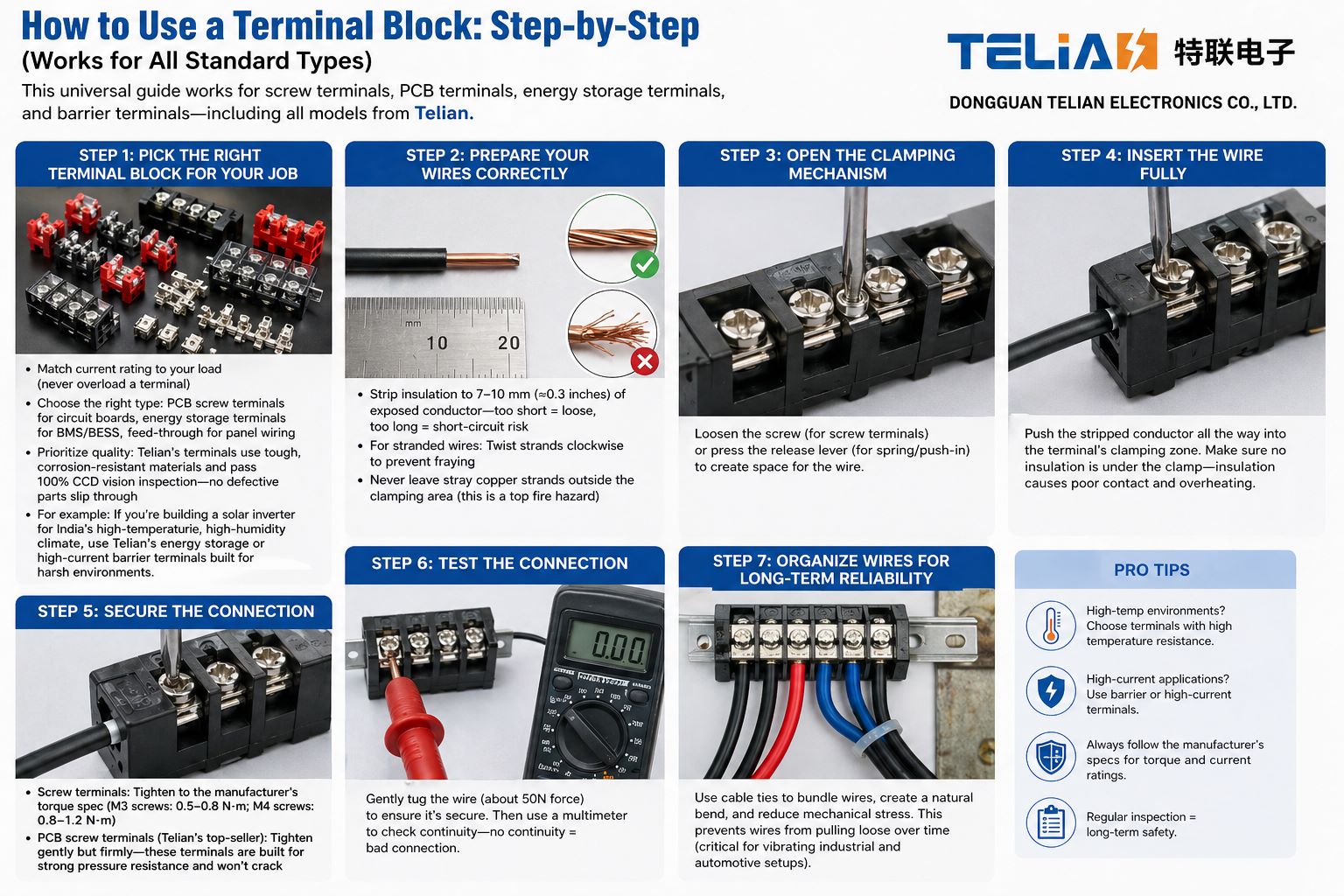
How to Use a Terminal Block: Step-by-Step (Works for All Standard Types)
This universal guide works for screw terminals, PCB terminals, energy storage terminals, and barrier terminals—including all models from Telian.
Step 1: Pick the Right Terminal Block for Your Job
This is the most important step (and where many people mess up).
- Match current rating to your load (never overload a terminal)
- Choose the right type: PCB screw terminals for circuit boards, energy storage terminals for BMS/BESS, feed-through for panel wiring
- Prioritize quality: Telian’s terminals use tough, corrosion-resistant materials and pass 100% CCD vision inspection—no defective parts slip through
For example: If you’re building a solar inverter for India’s high-temperature, high-humidity climate, use Telian’s energy storage or high-current barrier terminals built for harsh environments.
Step 2: Prepare Your Wires Correctly
Bad wire prep = bad connections. Here’s how to do it:
- Strip insulation to 7–10 mm (≈0.3 inches) of exposed conductor—too short = loose, too long = short-circuit risk
- For stranded wires: Twist strands clockwise to prevent fraying
- Never leave stray copper strands outside the clamping area (this is a top fire hazard)
Step 3: Open the Clamping Mechanism
Loosen the screw (for screw terminals) or press the release lever (for spring/push-in) to create space for the wire.
Step 4: Insert the Wire Fully
Push the stripped conductor all the way into the terminal’s clamping zone. Make sure no insulation is under the clamp—insulation causes poor contact and overheating.
Step 5: Secure the Connection
- Screw terminals: Tighten to the manufacturer’s torque spec (M3 screws: 0.5–0.8 N·m; M4 screws: 0.8–1.2 N·m)
- PCB screw terminals (Telian’s top-seller): Tighten gently but firmly—these terminals are built for strong pressure resistance and won’t crack
Step 6: Test the Connection
Gently tug the wire (about 50N force) to ensure it’s secure. Then use a multimeter to check continuity—no continuity = bad connection.
Step 7: Organize Wires for Long-Term Reliability
Use cable ties to bundle wires, create a natural bend, and reduce mechanical stress. This prevents wires from pulling loose over time (critical for vibrating industrial and automotive setups).


How to Use Specific Terminal Blocks (Telian’s Most Popular Models)
Telian’s product line covers every key application—here’s how to use their core types properly:
1. PCB Screw Terminals (Telian’s New Collection)
These are designed for printed circuit boards, with outstanding material toughness and corrosion resistance.
- Install by soldering pins to PCB pads (wave or reflow soldering)
- Strip wires to 7 mm, insert into the screw clamp, and tighten lightly
- Ideal for servo control systems, switching power supplies, and compact industrial electronics
2. Energy Storage Terminals
Built for BESS and BMS systems (the fastest-growing segment in India and China).
- Use for high-voltage, high-current battery connections
- Ensure full conductor insertion to handle charge/discharge cycles
- Telian’s energy storage terminals resist extreme temperatures and vibration—perfect for outdoor energy stations
3. Barrier / High-Current Fence-Type Terminals
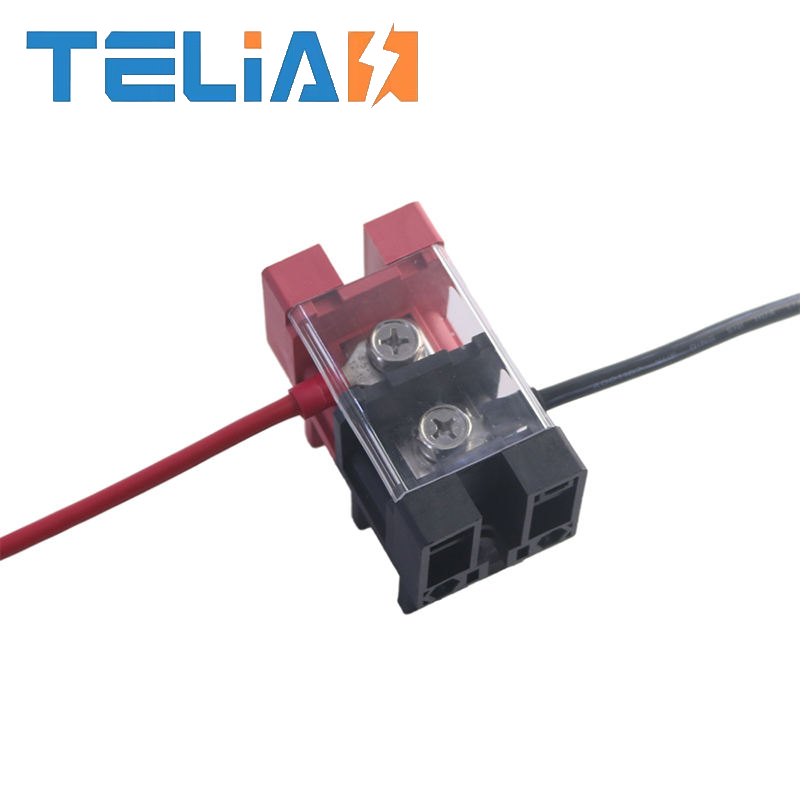
Used in inverters, power distribution, and industrial equipment.
- The “fence” design isolates circuits to prevent cross-conduction
- Use for 50A–300A+ high-power applications
- Tighten screws to full torque to handle heavy current loads without overheating
4. Feed-Through / Through-Wall Terminals
For wiring that passes through equipment panels or enclosures.
- Mount the terminal through the panel cutout
- Connect internal and external wires on opposite sides
- Maintains isolation while creating a sealed, stable connection
5. DIN Rail Terminals
For industrial control cabinets.
- Snap onto standard 35mm DIN rails
- Mix and match modules for flexible wiring
- Easy to expand or modify later (great for smart factory setups)
Market Angle: Why Correct Terminal Block Use Matters for Your Export Business
Let’s talk business—because this isn’t just about wiring.
China’s export trend is crystal clear: high-end, tech-intensive products are dominating global demand. Solar inverters, energy storage systems, and intelligent equipment are the new stars of Chinese exports, and buyers in India, Southeast Asia, and the Middle East are scrambling for reliable components.
Here’s the hard data:
- The global terminal block market will reach $8.35 billion by 2031, with Asia-Pacific (China + India) leading growth
- 60% of equipment failures in new energy systems come from poor electrical connections (not faulty core components)
- Indian buyers at the Canton Fair specifically asked for terminals that can withstand high humidity, heat, and long-term use—and are installed correctly
When you use terminal blocks properly:
- You reduce product failure rates by up to 70%
- You cut warranty and after-sales costs (huge for overseas markets)
- You build a reputation for quality (the #1 factor for repeat buyers in India)
Cheap, poorly installed terminals will kill your export business. High-quality terminals (like Telian’s) + correct installation = long-term success.
Why Dongguan Telian Electronics Is the Smart Choice for Your Business
If you’re sourcing terminals for PV, energy storage, inverters, or industrial exports—especially to India—Telian should be your go-to supplier. Here’s why, straight from their official site (//www.duanzitai.com):
1. Full In-House Production (No Outsourcing, No Quality Gaps)
Telian controls every step:
- Independent R&D and mold manufacturing
- High-precision metal stamping and plastic injection molding
- Automatic product assembly
- Advanced measurement and inspection equipment
This means consistent quality, fast lead times, and true customization (OEM/ODM available for global clients).
2. 100% CCD Vision Inspection
Every single Telian terminal passes CCD visual inspection—zero defects leave the factory. This is a game-changer for exporters, as it eliminates costly field failures.
3. 3,000+ Product Models (One Stop for All Your Needs)
No more mixing suppliers. Telian offers:
- PCB screw terminals
- Energy storage terminals
- Barrier/high-current fence-type terminals
- Feed-through/through-wall terminals
- DIN rail terminals
- Pluggable terminals
- High-power current & voltage terminals
They’re a top supplier for industrial control, frequency converters, transformers, new energy, and energy storage industries.
4. Built for Export Markets
All Telian terminals have:
- Excellent material toughness (resists cracking)
- Strong corrosion resistance (perfect for India’s coastal/humid areas)
- High pressure resistance (handles high voltage/current)
- RoHS compliance (meets global environmental standards)
5. Proven in China’s New Energy Hub
Telian already has strong market share in Shenzhen and Guangzhou, with hundreds of PV, energy storage, and inverter companies relying on their products daily. Their track record speaks for itself—even without attending the 2026 Canton Fair, they’re recommended by international buyers.
Wrapping Up: Master Terminal Block Use, Master Your Export Market
Let’s recap the big takeaways:
- Using a terminal block correctly is easy—pick the right model, prep wires properly, secure connections, and test.
- Poor installation ruins even the best terminals and hurts your export reputation.
- The global market (especially India) is begging for reliable, high-quality terminals for new energy and smart tech.
- Telian’s 3,000+ models, in-house production, 100% inspection, and export-grade quality make them the ideal partner.
Terminal blocks are small, but they’re the foundation of every high-quality electronic device. Whether you’re building inverters for India, energy storage systems for Southeast Asia, or industrial equipment for Europe, correct use + premium components = success.
Ready to upgrade your terminal block supply for your export projects? Check out Telian’s full product lineup and customization options on their official
website:🔗 //www.duanzitai.com
Their team can help you choose the perfect terminals for your application—so you can focus on growing your global business, not fixing wiring failures.
Thanks for reading, and happy (safe, reliable) wiring!
What Is a PCB Terminal Block A Complete Guide
What Is a Terminal Block Your Easy Guide
Related Article
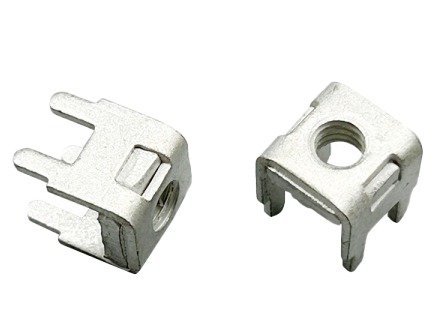
In industrial electrical systems, battery storage, and automotive wiring, connector terminal pins are the unsung backbone of power and signal transmission.
how to remove connector terminal pins
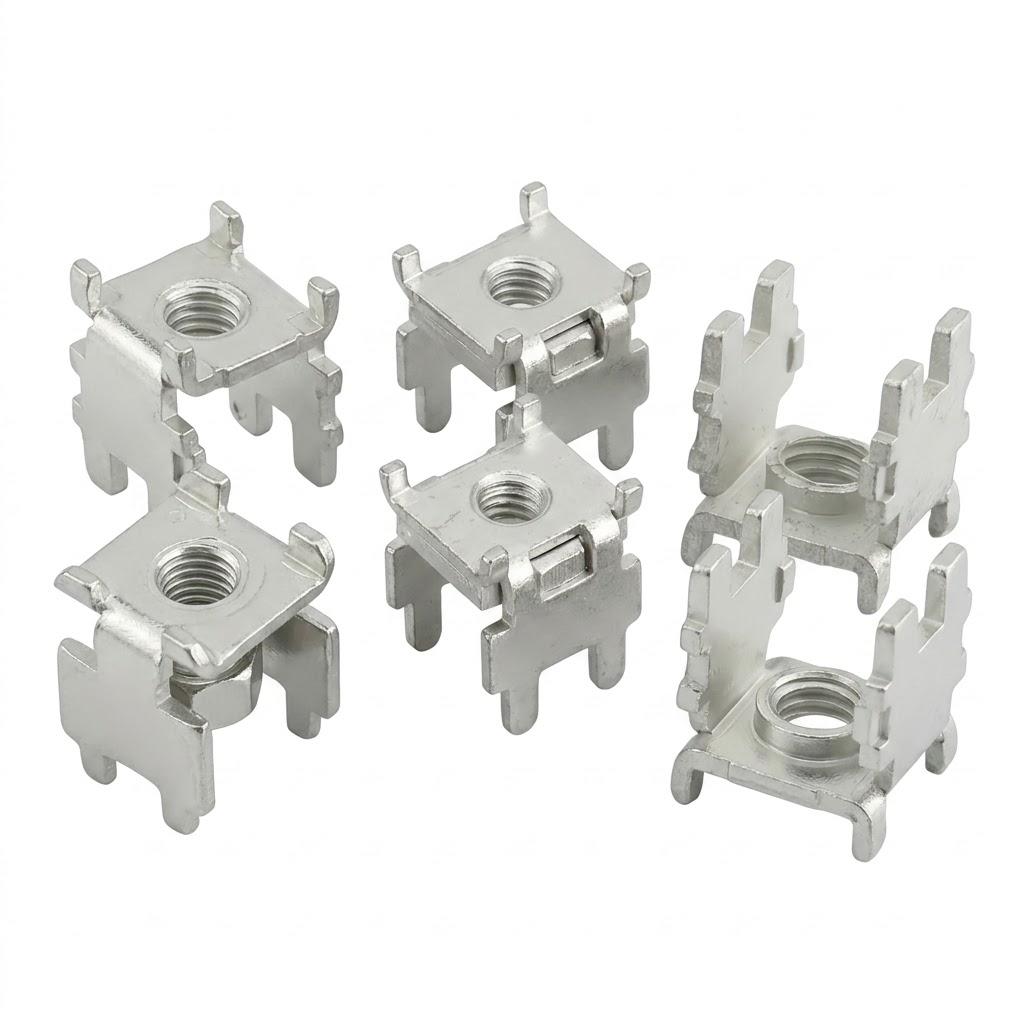
olar and energy storage inverters are the core equipment of the new energy industry, responsible for converting DC power generated by photovoltaic panels and lithium battery packs into usable AC power.
The Indispensable Core Partner of Solar