
What is a Terminal Block Used For
author: calrk
2026-04-11
What is a Terminal Block Used For
A terminal block—also known as a terminal connector, connection terminal, or terminal strip—is a fundamental electromechanical component designed to securely join, route, and manage electrical wires within circuits, control panels, electronic devices, and power systems. Built with conductive metal cores and flame‑retardant insulating housings, terminal blocks comply with global standards including IEC 60947‑7‑1, UL 1059, and GB standards, making them universal across nearly every electrical and electronic application. Far more than simple wire connectors, they provide safety, stability, flexibility, and maintainability that bare wire twisting, soldering, or taping cannot match. This article explains the core purposes and practical functions of terminal blocks in detail, illustrating why they are irreplaceable in modern electrical engineering.
The primary and most essential function of a terminal block is to enable safe, insulated, and stable electrical connections. Directly twisting wires together or using electrical tape leaves exposed conductors, creating severe risks of short circuits, electric leakage, electric shock, and electrical arcing. Terminal blocks isolate live parts using high‑performance insulating materials such as PA66, PBT, or PC, which meet UL94 V‑0 flammability standards to prevent fire spread. The internal metal clamp—usually made of high‑conductivity copper alloy—holds wires firmly, maintaining low contact resistance to avoid overheating. In high‑current systems such as energy storage cabinets, photovoltaic inverters, and industrial power units, this stable clamping structure prevents loose connections caused by vibration or thermal expansion, significantly improving overall system safety. For large cross‑section cables exceeding 10 mm², terminal blocks work with copper lugs to form reliable connections, which is a mandatory requirement in industrial and power engineering to eliminate hidden dangers.
Second,
terminal blocks are widely used to organize complex wiring and improve system neatness. In industrial control cabinets, automation equipment, and building distribution systems, hundreds of wires often connect sensors, actuators, power supplies, and control modules. Without terminal blocks, wires become tangled, making installation chaotic and fault location extremely difficult. Terminal blocks arrange wires in orderly rows, with clear positions and labeling areas, allowing technicians to distinguish power lines, signal lines, and ground lines at a glance. This structured wiring method not only optimizes space usage inside cabinets and equipment but also supports standardized construction, reducing human error during assembly. For modular equipment and multi‑channel systems, this organizational function directly improves construction efficiency and later maintenance clarity.
Third,
terminal blocks greatly simplify installation, maintenance, repair, and system upgrades. Unlike soldered connections, which are permanent and require disassembly by cutting wires, terminal blocks allow wires to be quickly connected or disconnected using only a screwdriver or simple release tools. When equipment breaks down, technicians can easily remove and replace faulty wires or modules without damaging the main circuit. During system expansion, new loops can be added by installing additional terminal blocks or extending existing modules, avoiding large‑scale rewiring. This convenience drastically reduces downtime in industrial production, facility maintenance, and equipment debugging, lowering labor costs and improving operational continuity.
Fourth,
terminal blocks support efficient transmission of both electric power and electrical signals. They are designed to handle a wide range of currents and voltages, from micro‑ampere signal lines in PCB circuits to hundreds of amps in high‑power power systems. Low‑current terminal blocks ensure stable transmission of weak signals in sensors, communication modules, and control circuits without interference or voltage loss. High‑current terminal blocks feature thickened copper conductors and optimized contact structures to minimize energy loss and heat generation, making them suitable for electric vehicle charging piles, transformer connections, and energy storage battery systems. This dual capability for power and signal transmission makes terminal blocks versatile in almost all electrical scenarios.
Fifth,
terminal blocks enable flexible circuit branching, merging, and power distribution. In power distribution applications, they allow one main wire to connect to multiple branch wires, supporting shunt power supply for different devices. They can also combine multiple circuits into a single output line for centralized control. Many terminal blocks support jumper bars, allowing adjacent terminals to share power or signals without extra wiring. Some specialized terminal blocks integrate fuses, indicators, or disconnect switches, adding protective and control functions to basic connection. This flexibility makes them core components in distribution boxes, control panels, and multi‑device electrical systems.
In addition, terminal blocks are engineered to adapt to harsh operating environments. Industrial sites, outdoor photovoltaic stations, automotive systems, and rail transit equipment expose connectors to vibration, extreme temperatures, humidity, dust, and salt spray. High‑quality terminal blocks feature anti‑vibration structures, waterproof and dustproof designs (up to IP67 or higher), and wide operating temperature ranges from ‑40℃ to 125℃. They maintain stable electrical performance without loosening, corrosion, or performance degradation, ensuring long‑term reliability in demanding conditions.
Finally,
terminal blocks support standardization, modularity, and interoperability. Most terminal blocks fit standard DIN rails, enabling uniform installation across different equipment brands and system designs. PCB terminal blocks follow standardized pin pitches, allowing easy integration onto printed circuit boards. Modular designs let users combine terminals of different poles and functions freely to meet specific project needs. This standardization simplifies design, procurement, and replacement, supporting large‑scale industrial production and global project implementation.
In summary, terminal blocks are used to create safe connections, organize wiring, simplify maintenance, transmit power and signals, distribute circuits, adapt to harsh environments, and support standardized design. They serve as critical connection hubs in industrial automation, new energy, smart buildings, automotive electronics, medical devices, and communications infrastructure. As systems become more intelligent and integrated, terminal blocks continue to evolve with miniaturized, high‑density, and smart monitoring functions, remaining an indispensable component in the future of electrical engineering.
A Comprehensive Guide to Telian Custom Solutions
How to Use Terminal Block Connectors
Related Article
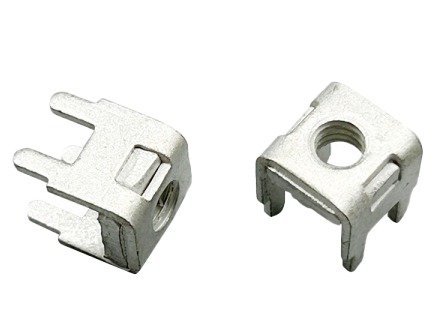
In industrial electrical systems, battery storage, and automotive wiring, connector terminal pins are the unsung backbone of power and signal transmission.
how to remove connector terminal pins
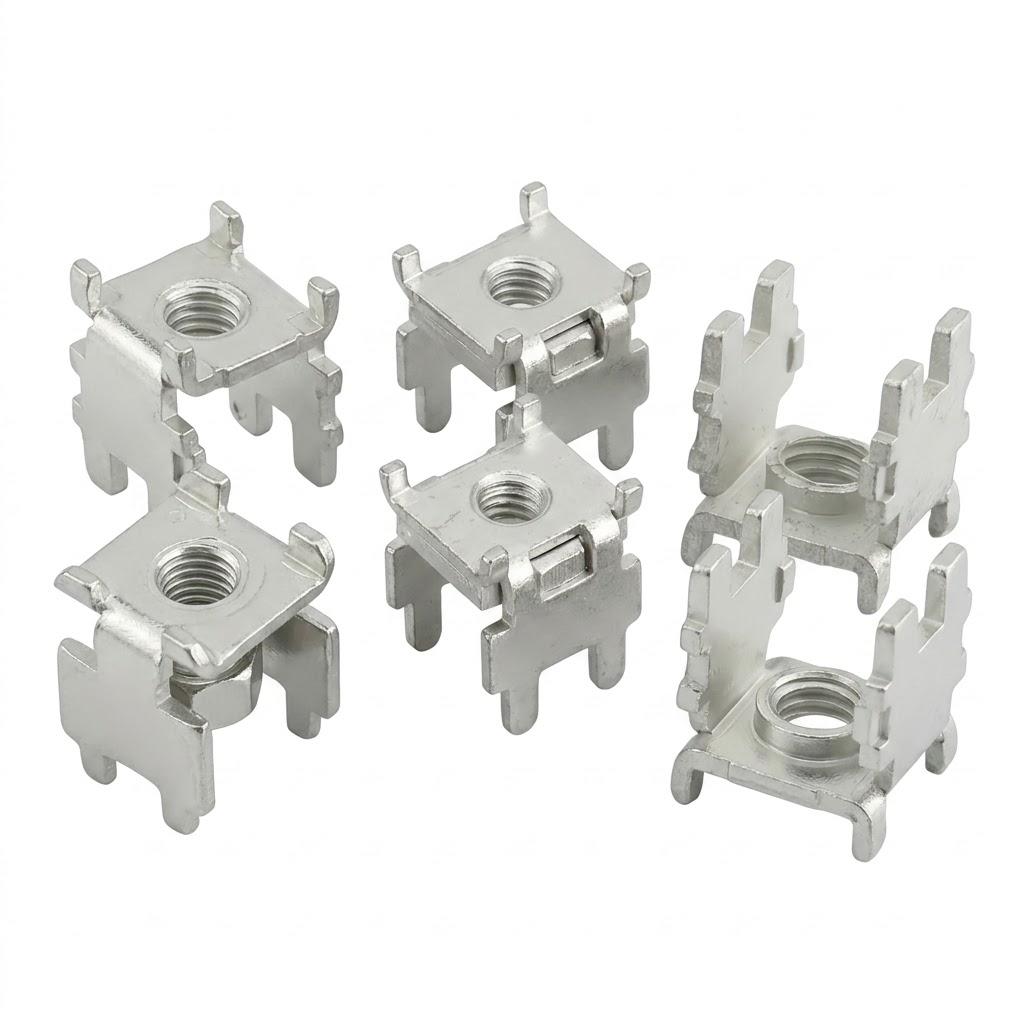
olar and energy storage inverters are the core equipment of the new energy industry, responsible for converting DC power generated by photovoltaic panels and lithium battery packs into usable AC power.
The Indispensable Core Partner of Solar