
What Is a PCB Terminal Block A Complete Guide
author: clark
2026-04-30
What Is a PCB Terminal Block?
A Complete Guide to PCB Terminal Blocks & PCB Screw Terminals
Introduction
In the world of electronics and industrial electrical systems, PCB terminal blocks are among the most fundamental yet indispensable components. They act as the critical bridge between external wires and printed circuit boards, enabling safe, stable, and maintainable electrical connections without permanent soldering. Whether you are designing industrial control equipment, frequency converters, power supplies, new energy storage systems, or automotive electronics, you cannot avoid using high-quality PCB terminal blocks.
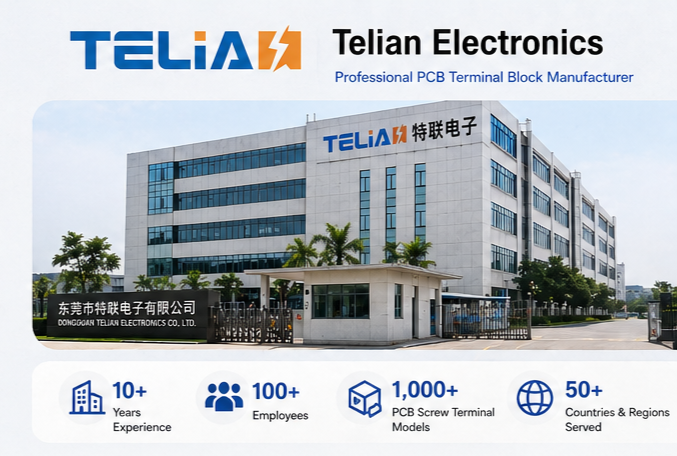
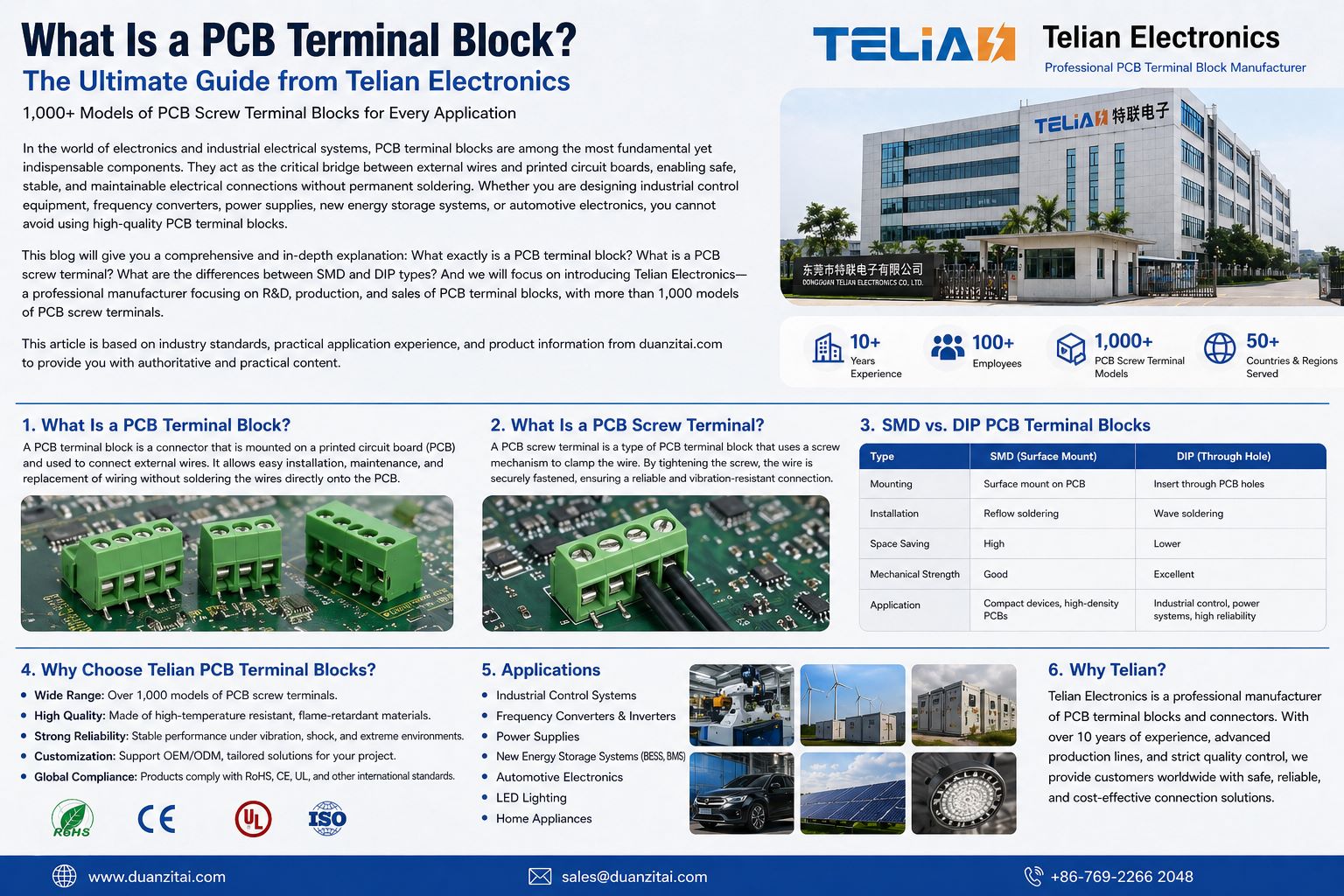
This blog will give you a comprehensive and in-depth explanation: What exactly is a PCB terminal block? What is a PCB screw terminal? What are the differences between SMD and DIP types? And we will focus on introducing Telian Electronics—a professional manufacturer focusing on R&D, production, and sales of PCB terminal blocks, with more than 1,000 models of PCB screw terminals.
This article is based on industry standards, practical application experience, and product information from duanzitai.com to provide you with authoritative and practical content
1. What Is a PCB Terminal Block?
1.1 Definition
A PCB terminal block is a modular, insulated electrical connector designed specifically for mounting on printed circuit boards (PCBs). Its core function is to provide a detachable, secure connection point between external wires and PCB circuits. Unlike direct soldering, PCB terminal blocks allow engineers, maintenance personnel, and installers to quickly connect, disconnect, or replace wires without damaging the PCB or components.
In simple terms:
- A PCB terminal block = a "junction box" on the circuit board
- It realizes wire-to-board connection
- It ensures electrical conduction while providing insulation and mechanical fixation
1.2 Core Structure
A standard PCB terminal block mainly consists of two parts:
- Insulation housing: Usually made of high-temperature resistant, flame-retardant engineering plastics (such as PA66), which provides insulation, protection, and structural support.
- Conductive terminal: Made of high-conductivity copper alloy or brass, responsible for transmitting current and signals, with good electrical conductivity and mechanical strength.
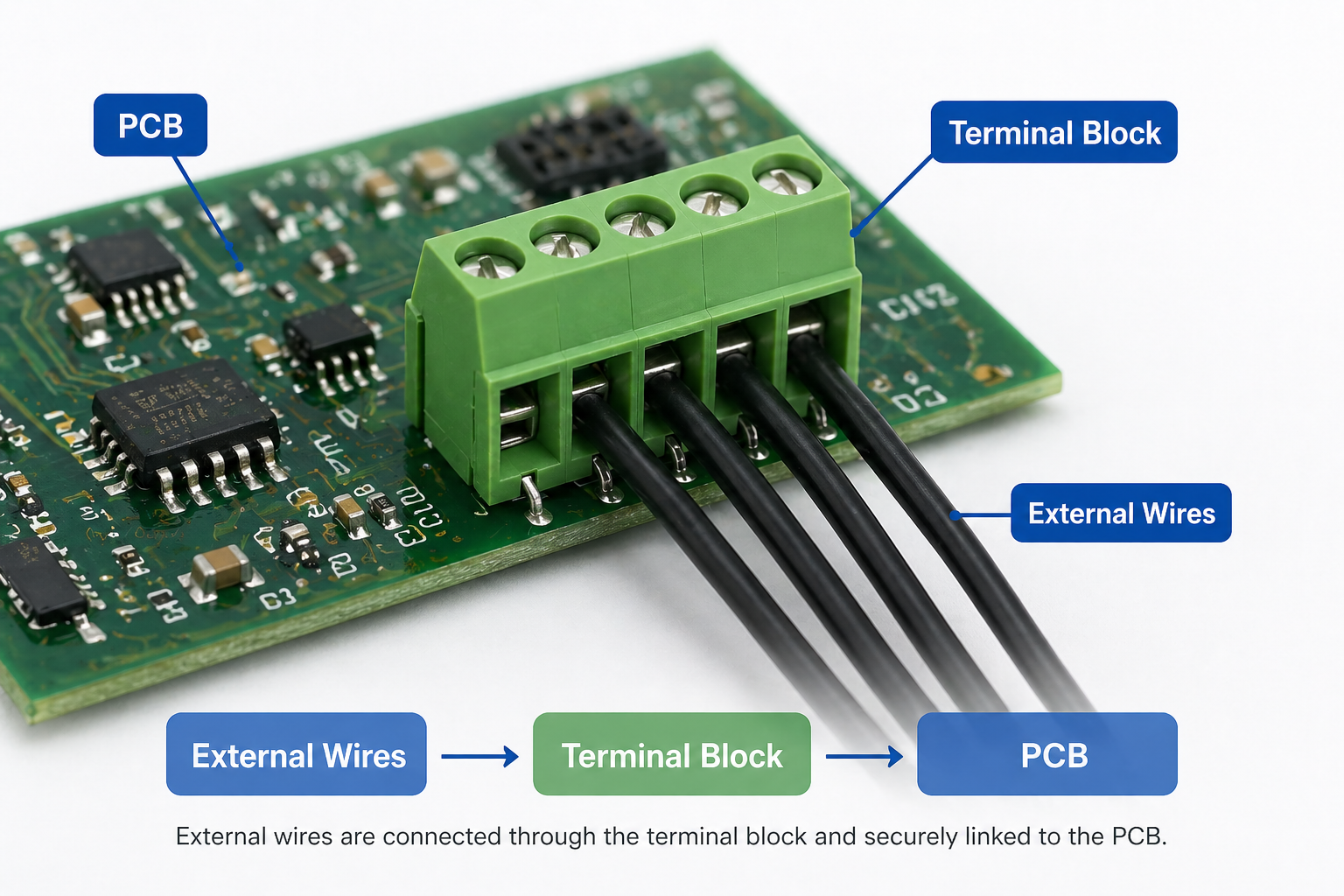
According to different wiring methods, PCB terminal blocks can be divided into screw type, spring type, push-in type, barrier type, plug-in type, etc. Among them, PCB screw terminal is the most widely used and most reliable type in industrial and high-current scenarios.
1.3 Core Functions & Advantages
- Stable electrical connection: Ensures low contact resistance and stable current transmission
- Detachable wiring: Easy installation, debugging, and later maintenance
- Insulation and safety: Isolates live parts to prevent short circuits and electric shocks
- Wide adaptability: Suitable for various wire diameters, currents, and voltages
- Space optimization: Reasonable structure design saves PCB layout space
- Vibration resistance: Especially suitable for industrial environments with vibration and shock
2. Classification of PCB Terminal Blocks: SMD vs. DIP
2.1 DIP (Dual In-line Package / Through-Hole) PCB Terminal Block
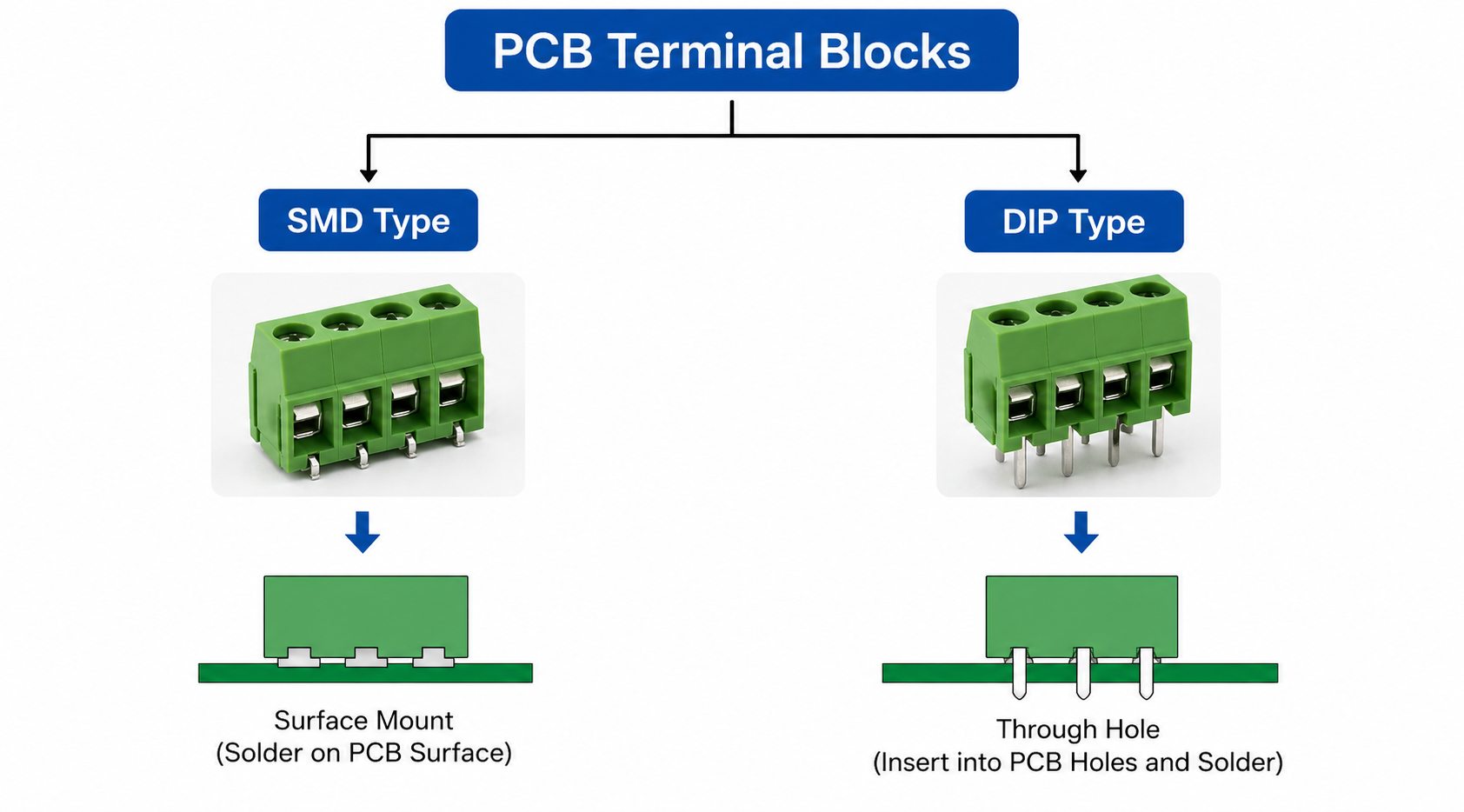
Also known as through-hole type, DIP terminal blocks have long pins that need to be inserted into pre-drilled holes on the PCB and then fixed by wave soldering or manual soldering.
Features:
- High mechanical strength, firm combination with PCB, strong resistance to vibration and pull-out
- Good heat dissipation performance, suitable for high-current and high-power applications
- Convenient for manual soldering, repair, and replacement
- Commonly used in industrial control, power supplies, frequency converters, and high-current equipment
2.2 SMD (Surface Mount Device) PCB Terminal Block
SMD terminal blocks are surface-mounted components, without long through-hole pins. They are attached directly to the PCB surface pads and soldered by reflow soldering, suitable for fully automated production lines.
Features:
- Small size, light weight, saving PCB space, helping product miniaturization
- Suitable for high-density assembly and automated mass production
- Short pins, low parasitic inductance, good high-frequency performance
- Widely used in consumer electronics, communications, automotive electronics, and compact equipment
2.3 Comparison Between DIP and SMD PCB Terminal Blocks
| Item | DIP (Through-Hole) | SMD (Surface Mount) |
|---|---|---|
| Mounting Method | Insert into PCB holes + wave soldering | Attach to surface + reflow soldering |
| Mechanical Strength | High, strong anti-vibration | Medium, pay attention to external force |
| Production Efficiency | Relatively low, more manual work | High, fully automated assembly |
| Size & Space | Larger footprint | Compact, high-density layout |
| Typical Applications | High-current, industrial, power equipment | Miniaturized, automated, consumer electronics |
| Repair Convenience | Easy to disassemble and replace | Requires professional tools |
Both types have their own advantages. The choice depends on your product design, current requirements, production process, and space constraints.
3. Focus: What Is a PCB Screw Terminal?
3.1 Definition
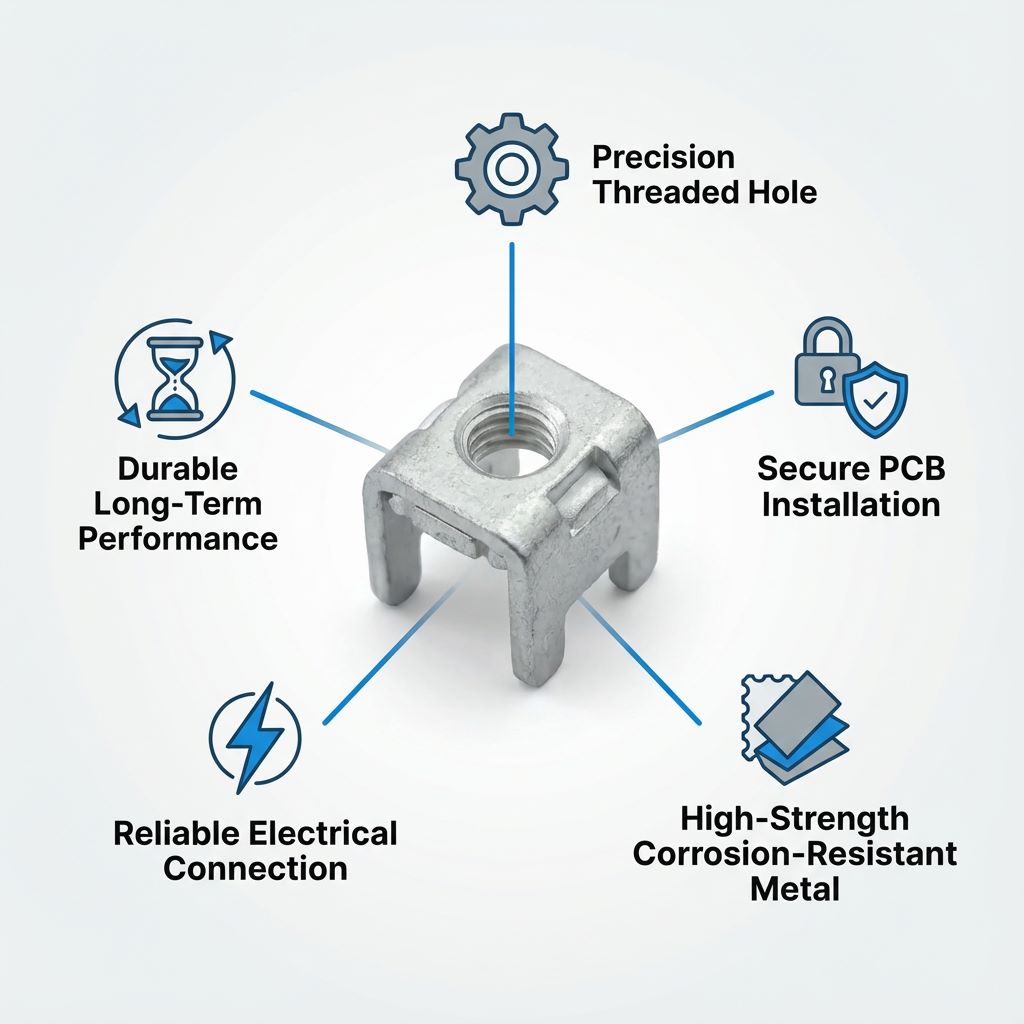
A PCB screw terminal is a type of PCB terminal block that uses a screw clamping mechanism to fix wires. When you insert a stripped wire into the terminal and tighten the screw with a screwdriver, the screw presses the wire firmly against the metal conductive sheet, forming a gas-tight, reliable electrical connection.
It is the most classic, most widely used, and most trusted wiring terminal in industrial control, energy storage, power supply, and other fields.
3.2 Working Principle
- Insert the stripped wire into the wiring hole of the terminal
- Use a screwdriver to tighten the screw
- The screw presses the wire to achieve full contact with the conductive metal sheet
- Form a stable, low-resistance electrical path
- When maintenance is needed, loosen the screw to pull out the wire, without damaging the PCB
3.3 Core Advantages of PCB Screw Terminals
- Ultra-high reliability: Screw compression provides stable contact, resistant to vibration, temperature changes, and long-term use
- Wide current range: Can be used for both low-current signal transmission and high-current power connection
- Simple operation: Only a standard screwdriver is needed, no professional crimping tools required
- Strong compatibility: Suitable for single-core wires, multi-strand wires, and even ferruled wires
- Reusable: Can be repeatedly tightened and loosened, suitable for frequent maintenance scenarios
- Cost-effective: Mature technology, stable quality, easy mass production
3.4 Typical Applications
PCB screw terminals are widely used in almost all fields that require stable wire-to-board connections:
- Industrial control systems, PLC, servo drives
- Frequency converters, inverters, UPS power supplies
- New energy & energy storage systems, BMS, BESS
- Lighting and power distribution equipment
- Automotive electronics and automotive power systems
- Communications equipment, instrumentation
- Home appliances and power tools
In short, wherever you need safe, stable, and maintainable wiring, PCB screw terminals are the preferred solution.
4. Telian Electronics:
Your Professional PCB Terminal Block & PCB Screw Terminal Manufacturer
4.1 Company Profile
Based on the official information from duanzitai.com, Dongguan Telian Electronics Co., Ltd. is a professional terminal manufacturing enterprise integrating R&D, production, and sales. With rich experience in terminal production technology, Telian has become a major supplier in industrial control, frequency converters, transformers, new energy, and energy storage industries.
4.2 Core Strengths
-
Independent R&D and manufacturing capabilitiesTelian independently completes product R&D & design, mold processing & manufacturing, stamping and injection molding of components, and final assembly production. Equipped with advanced testing equipment, mold manufacturing equipment, high-precision hardware stamping, plastic molding, and automated assembly lines, Telian ensures stable and reliable product quality.
-
Extremely rich product rangeTelian provides a full range of terminal products, with a total of more than 3,000 terminal block models, covering:
- PCB screw terminal
- Energy storage terminal
- Barrier terminal block
- Feed-through terminal block
- DIN rail terminal block
- High-current terminal
- PCB stamped partsAnd many other series.
More than 1,000 models of PCB screw terminalsA key highlight: Telian currently has more than 1,000 models of PCB screw terminals, covering various pitches, currents, pin counts, SMD/DIP types, and wiring methods. Whether you need standard products or customized solutions, Telian can meet your needs.
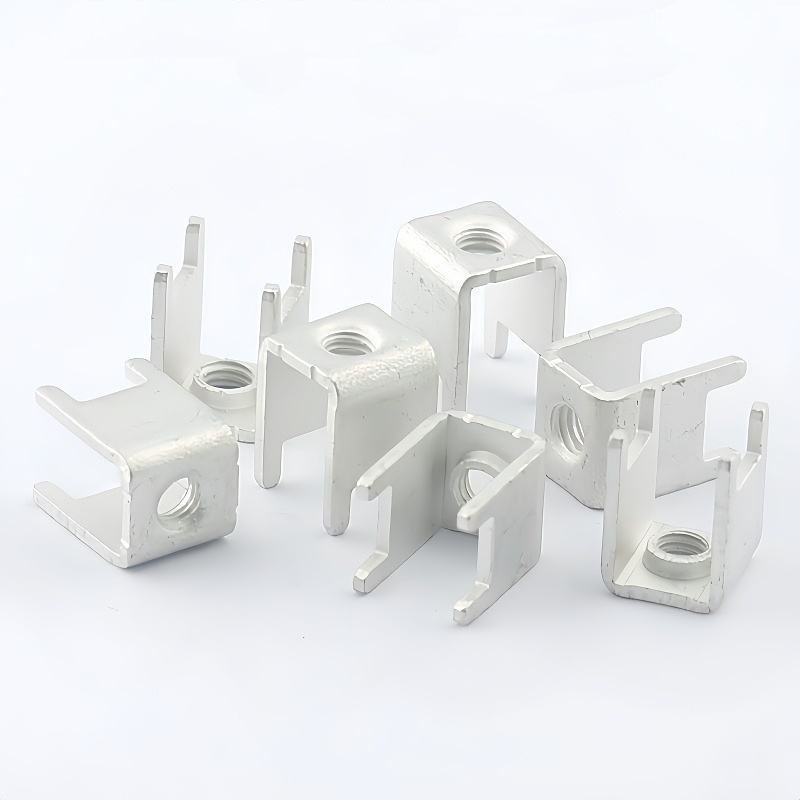
Stable quality & international complianceTelian’s terminal blocks are designed for stable electrical connections, high safety standards, and long-term reliability. Products comply with international standards, with consistent quality and flexible customization capabilities, providing reliable connection solutions for global industrial and electrical applications.
Support OEM & ODM servicesTelian has a professional R&D team and years of manufacturing experience, supporting customized R&D and production for customers, including structural customization, color customization, pitch customization, current promotion, and brand labeling.
4.3 Why Choose Telian’s PCB Screw Terminals?
- Professional manufacturer focusing on terminal blocks for many years
- Independent mold and production, stable quality control
- More than 1,000 PCB screw terminal models, sufficient options
- Support SMD and DIP two mounting processes
- Suitable for high-current, industrial, energy storage and other demanding scenarios
- Complete after-sales and technical support
- Cost-effective, suitable for mass procurement and long-term cooperatio
5. How to Choose the Right PCB Terminal Block & PCB Screw Terminal?
To help you make a better choice, we summarize several key selection factors:
-
Current and voltage requirementsSelect the appropriate terminal model according to the maximum working current and working voltage.
-
Wire diameter rangeConfirm the wire size you use to ensure the terminal can clamp it firmly.
-
Mounting method: SMD or DIPMatch your PCB process: automated SMT or traditional through-hole soldering.
-
Pitch and pin countDetermine the terminal pitch (such as 2.54mm, 3.5mm, 5.0mm, 5.08mm) and the number of pins according to PCB layout.
-
Application environmentIndustrial vibration, high temperature, humidity, and other environments require higher reliability.
-
Customization needsIf you need special structure, color, or performance, choose a manufacturer supporting ODM/OEM like Telian.
6. Conclusion
PCB terminal blocks are the "invisible heroes" in electronic and electrical systems. Among them, PCB screw terminals are the most widely used and reliable connection solution. They provide safe, stable, detachable wire-to-board connections and are indispensable in industrial control, new energy, power supplies, automotive, and many other fields.
SMD and DIP are two mainstream mounting processes, each with its own advantages, suitable for different products and production methods.
As a professional terminal block manufacturer, Dongguan Telian Electronics has rich technical accumulation, independent R&D and production capabilities, a full range of terminal products, and more than 1,000 models of PCB screw terminals, which can meet the needs of global customers for high-quality terminals.
Whether you are an engineer looking for standard components, a purchaser seeking stable suppliers, or a designer needing customized solutions, you can find suitable products and services at Telian (duanzitai.com).
We hope this blog has helped you fully understand:
- What is a PCB terminal block
- What is a PCB screw terminal
- The difference between SMD and DIP
- The strength of Telian Electronics in PCB screw terminals
If you have any questions about product selection, customization, or quotations, please visit our official website: //www.duanzitai.com or contact us directly.
Why Use PCB Terminal Block on BMS
How to Use a Terminal Block With Real Market Insights Telian Solutions
Related Article
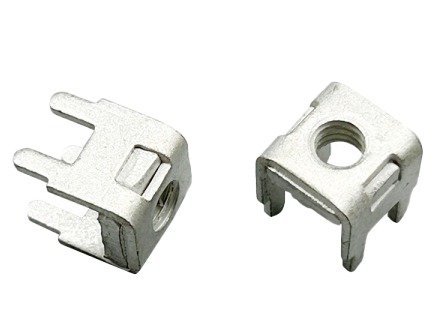
In industrial electrical systems, battery storage, and automotive wiring, connector terminal pins are the unsung backbone of power and signal transmission.
how to remove connector terminal pins
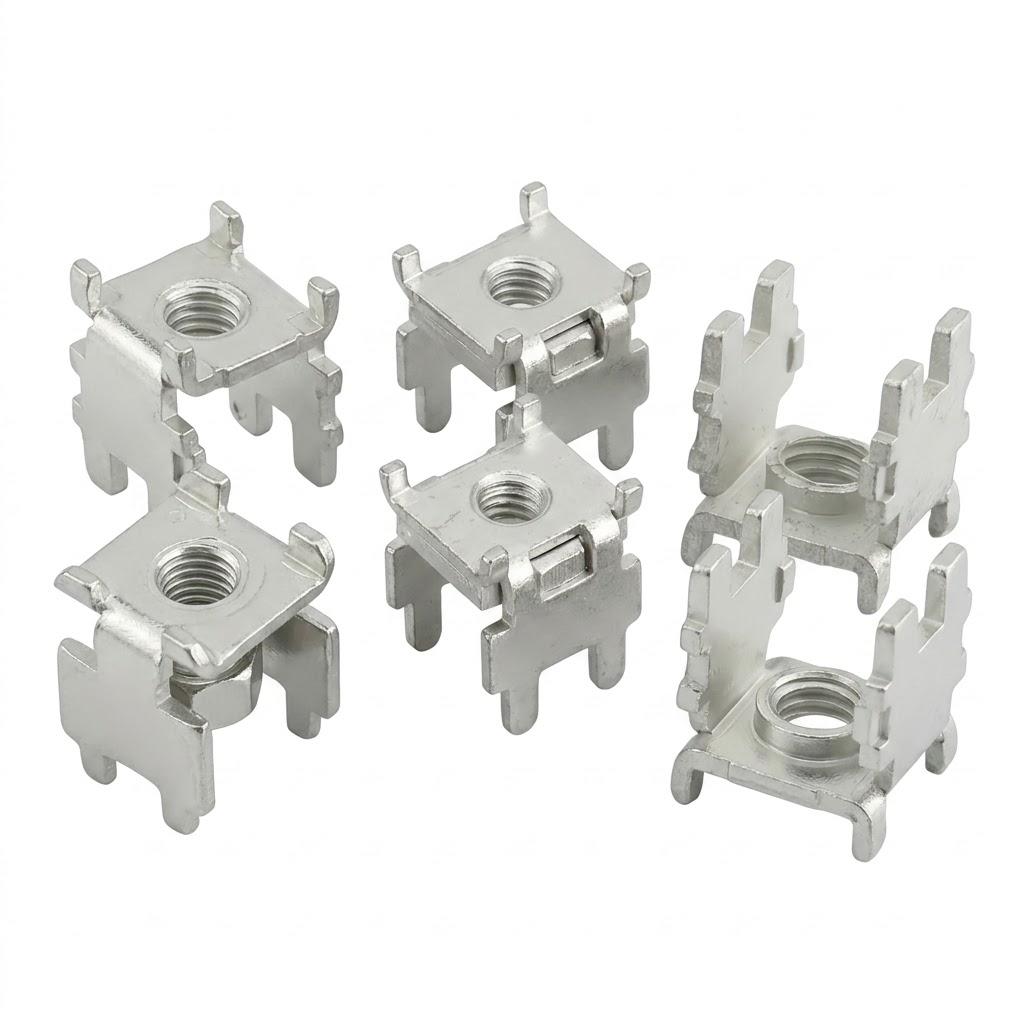
olar and energy storage inverters are the core equipment of the new energy industry, responsible for converting DC power generated by photovoltaic panels and lithium battery packs into usable AC power.
The Indispensable Core Partner of Solar