What Exactly Do Terminal Blocks Do
What Exactly Do Terminal Blocks Do? — The Core Circuit Safeguard of the New Energy Era
Instead of fast food fashion concept, vetiver is based on the idea of the wearer, not limited to the scope of age or season. At every time of the day, every region and every place can freely change and connect smoothly. Vetiver skillfully combines leisure style and soft multi-functional materials to create a clothing piece valued by fearless and confident women.
Our take on the modern prairie dress, the sweet Vetiver dress has a v-neckline, fitted bodice, and puff sleeves with 3/4 length smocked cuffs. The romantic sleeves are beautifully complimented by the ruffled tier finishing the hem. She is oh so perfect for summertime picnics or just frolicking in the dappled sunshine.
Instead of fast food fashion concept, vetiver is based on the idea of the wearer, not limited to the scope of age or season.
I. Safety Insulation and Protection: Eliminating Circuit Hazards at the Source
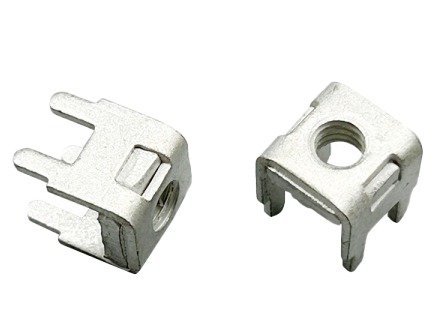
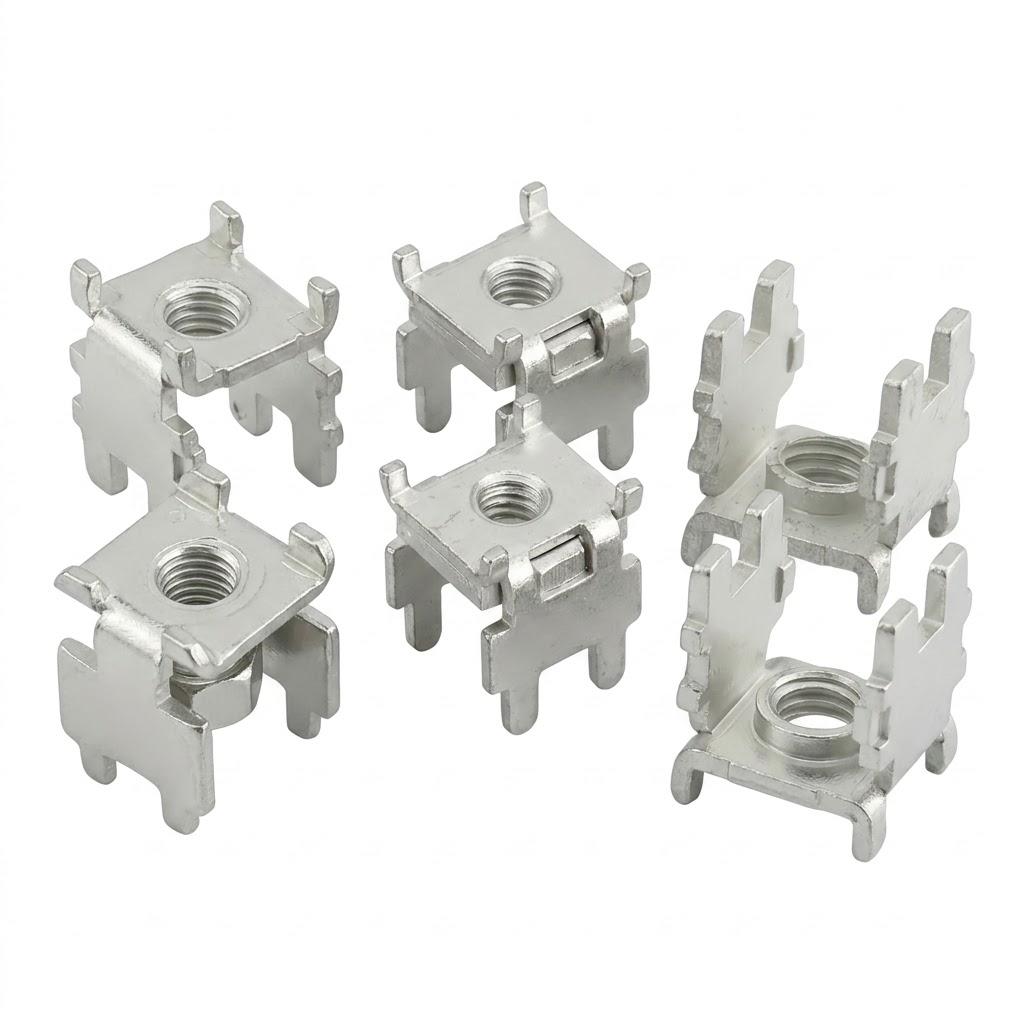

Terminal blocks address these safety concerns at the source through a dual-structure design. Their exterior shells are constructed from flame-retardant PA66 engineering plastics or reinforced PC materials—rated at the UL94 V-0 safety standard. These materials not only effectively isolate the conductive components of different circuits—thereby preventing short circuits and leakage—but also withstand high temperatures and resist flame propagation, effectively containing hazards and preventing their escalation in extreme situations. Internally, the conductive copper components undergo precision machining and surface treatment to ensure a tight, secure contact with the wires, thereby eliminating the risk of arc formation caused by poor electrical connections. For high-current applications specific to its Nigerian clientele, Telian has developed customized terminals featuring optimized insulation thickness and enhanced dielectric strength. Even under peak currents of 300A, these terminals maintain a dielectric strength exceeding 3kV, thereby completely eliminating the risk of insulation breakdown in high-current operating conditions.
In specialized environments—such as outdoor photovoltaic power stations and offshore wind energy facilities—the protective function of wiring terminals becomes even more critical. In these settings, terminals must simultaneously withstand the corrosive effects of rain, salt spray, and dust; standard connection methods would quickly succumb to corrosion and leakage issues. In contrast, high-quality terminals—engineered with sealed designs and anti-corrosion coatings—achieve an ingress protection rating of IP65 or higher. This ensures that their insulation performance remains stable even in harsh environments—a core reason why Telian products are widely deployed in projects across diverse climatic regions worldwide.
Instead of fast food fashion concept, vetiver is based on the idea of the wearer, not limited to the scope of age or season. At every time of the day, every region and every place can freely change and connect smoothly. Vetiver skillfully combines leisure style and soft multi-functional materials to create a clothing piece valued by fearless and confident women.
Our take on the modern prairie dress, the sweet Vetiver dress has a v-neckline, fitted bodice, and puff sleeves with 3/4 length smocked cuffs. The romantic sleeves are beautifully complimented by the ruffled tier finishing the hem. She is oh so perfect for summertime picnics or just frolicking in the dappled sunshine.
Instead of fast food fashion concept, vetiver is based on the idea of the wearer, not limited to the scope of age or season.
II. Stable Current Transmission: Minimizing Loss and Ensuring Efficient Equipment Operation
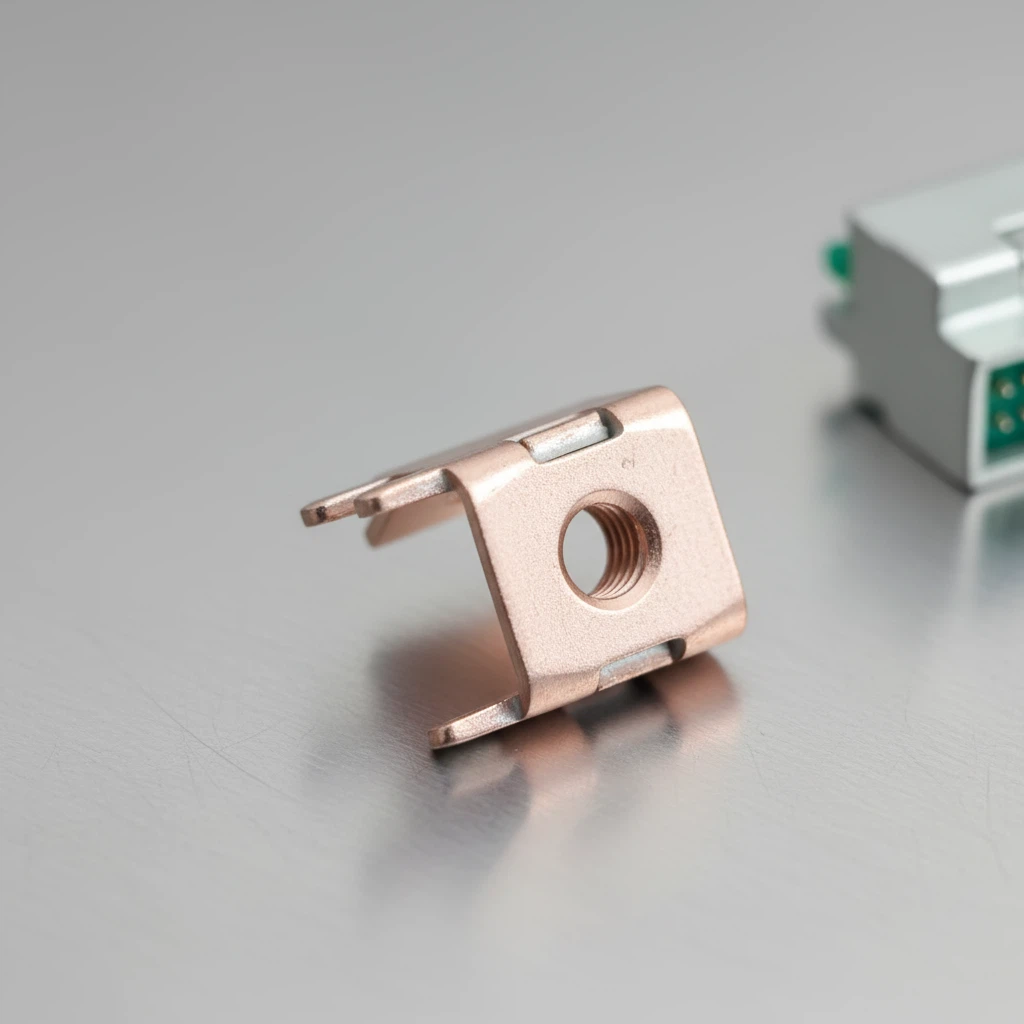
High-quality wiring terminals achieve efficient and stable current transmission through superior material selection and structural optimization. Their conductive cores are fabricated from high-purity copper alloys (such as CuCrZr alloy), boasting a conductivity exceeding 95% IACS—significantly higher than the 65% IACS typical of standard brass. This drastically reduces contact resistance (Telian terminals maintain a contact resistance of less than 0.03 mΩ). Furthermore, the terminal's contact interface employs a multi-point parallel contact design to maximize the conductive surface area. Coupled with a three-dimensional heat dissipation channel, this design effectively dissipates heat, ensuring that—even during continuous operation at high currents exceeding 200A—the temperature rise remains within 30K, well below the industry standard limit of 50K. In the new energy sector, the value derived from such stability is particularly significant. For instance, the PCB screw terminals custom-designed by Telian for an Australian inverter client demonstrated exceptional performance: after operating continuously for 5,000 hours in a high-temperature environment of 45°C, the change in contact resistance was merely 3.6%, ensuring that the inverter's conversion efficiency consistently remained above 98%. In contrast, a Nigerian client who previously utilized standard terminals experienced power loss rates as high as 5% due to overheating issues; following the switch to Telian products, they were able to save hundreds of thousands of dollars annually in electricity costs. Furthermore, the vibration-resistant design of these terminals guarantees stable current transmission—a critical feature in vibration-prone environments such as new energy vehicles and mobile energy storage devices. The reinforced screw structure and anti-loosening pawls prevent the terminals from coming loose, thereby averting current interruptions or equipment malfunctions caused by poor electrical contact.
III. Streamlined Wiring Management: Simplifying Installation and Maintenance, Reducing Total Lifecycle Costs
Through a modular design approach, wiring terminals transform complex circuitry into an organized, orderly system. They categorize and secure wires belonging to different functions and circuits, with each terminal featuring clear, distinct labeling. During installation, technicians simply need to connect the wires according to their corresponding numbers, eliminating the need for complex manual winding and securing; this results in a substantial increase in production assembly efficiency (Telian clients have reported a 200% improvement in wiring efficiency on their production lines after adopting these standardized terminals). During the maintenance phase, personnel can quickly connect, disconnect, and replace wires via the terminals without having to disrupt the main wiring harness; this enables rapid fault localization and repair, effectively reducing equipment downtime by over 80%.
Moreover, this streamlined approach to wiring management contributes to a reduction in long-term operational costs. Taking an industrial energy storage project for a Brazilian client as an example: after adopting Telian’s standardized terminals, the installation cycle was reduced from 15 days to just 5 days, and labor costs were cut by 60%. Furthermore, during subsequent maintenance, technicians can utilize the terminals' QR code traceability system to quickly retrieve connection details and terminal parameters for each individual wire, thereby significantly reducing troubleshooting time. Additionally, the modular layout of the terminals facilitates equipment upgrades and retrofits; users need only add or replace specific terminal modules—without having to reconstruct the entire circuit—thereby extending the operational lifespan of the equipment.
IV. Adaptation to Harsh Environments: Withstanding Extreme Conditions and Expanding Application Boundaries
Through targeted design, these wiring terminals are engineered to confidently withstand a wide range of harsh environments. In high-temperature scenarios, the terminal housings are constructed from heat-resistant modified materials, enabling stable operation across a broad temperature range of -40°C to 125°C and preventing deformation or cracking under extreme heat. In high-humidity and salt-mist environments, the conductive copper components feature a surface plating of nanoscale silver-tin alloy; this enhances their resistance to sulfidation and corrosion by 3 to 5 times, ensuring they remain free of rust even after undergoing a 96-hour salt spray test. In environments subject to frequent vibration, a dual anti-loosening mechanism—combining fine-pitch threads with elastic washers—is employed; this design provides a torque-bearing capacity exceeding 12 lbf·in, guaranteeing that the terminals remain secure and free from thread stripping even under high-frequency vibration.
The 90-degree bent jumper terminals—custom-engineered by Telian for a Turkish government project—serve as a prime example of this exceptional environmental adaptability. This specific project required the terminals to remain free from deformation or failure while subjected to high-torque fastening (8 N·m) and elevated temperatures (50°C), all while maintaining dimensional precision within a tolerance of ±0.02 mm. Through a dual-layer composite structural design—featuring a highly conductive copper core inner layer encased in a high-strength alloy outer layer—and utilizing precision CNC-machined molds, our terminal blocks not only met strict precision requirements but also demonstrated the resilience to withstand the vibration and dust erosion prevalent in Turkish industrial environments. Ultimately, the products successfully passed government inspections, securing a bulk order of 10,000 units. This robust environmental adaptability allows our terminal blocks to transcend specific application constraints, establishing them as a reliable choice for projects operating in a wide range of extreme environments worldwide.
V. Universal Standardization + Customized Adaptation: Meeting the Diverse Needs of Every Industry
Our universal standardized terminals adhere to unified international specifications (such as IEC standards); their dimensions, technical parameters, and installation methods remain consistent, making them compatible with the vast majority of standard equipment and thereby reducing customer costs associated with product selection and procurement. For instance, our universal PCB screw terminals are compatible with a range of wire gauges (1.5–4 mm²) and are fully compatible with automated manufacturing processes such as wave soldering and reflow soldering. Widely deployed across sectors including photovoltaics, industrial automation, and home appliances, these terminals have become the "standard choice" for customers worldwide.
Conversely, to address the unique requirements of specialized scenarios, our terminal blocks offer precise adaptation through a comprehensive, end-to-end customization process. We possess fully autonomous R&D capabilities—spanning mold development, material selection, structural design, and production testing—enabling us to rapidly develop and launch customized products tailored to specific client demands. Whether optimizing conductive materials and heat-dissipation structures to meet high-current requirements, designing miniaturized and compact structures to overcome spatial constraints, or developing specialized configurations—such as 90-degree bends or pluggable modules—to accommodate unique installation methods, we provide solutions that are precisely engineered for the task at hand. For instance, to address a customer's specific requirement for "dual wiring ports combined with high torque," Telian innovatively designed a dual-cavity structure featuring reinforced threads. This design not only accommodates the connection of two separate wires but also withstands a tightening torque of 10 N·m. Furthermore, to facilitate compact PCB layouts, the terminal's physical volume was reduced by 15% while maintaining—or even enhancing—its conductive performance. This level of customization capability transforms the terminal from a mere "standard component" into a "core solution component" that precisely resolves specific customer pain points.
Summary: Wiring Terminals—The Core Circuit Safeguard of the New Energy Era
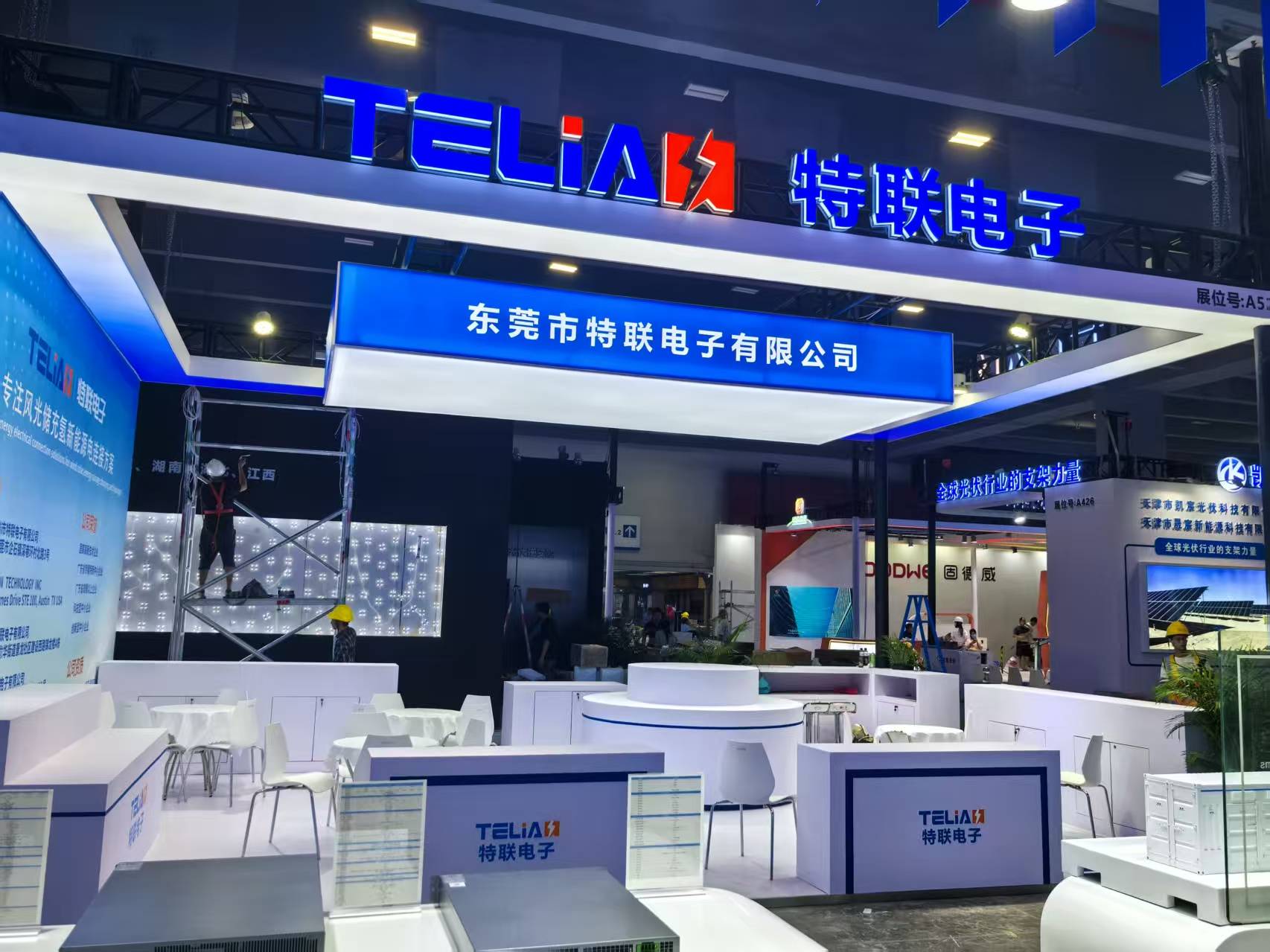
As a leading enterprise in Dongguan's terminal manufacturing sector, Telian leverages its comprehensive in-house R&D and production capabilities, its advantages in delivering high quality and exceptional cost-effectiveness, and its extensive experience in serving global projects to provide both standardized and customized terminal solutions to clients worldwide. Whether the need is for general-purpose terminals for standard equipment or for bespoke products designed for extreme environments and specialized requirements, Telian stands ready—through precise design, stable performance, and efficient delivery—to serve as a trusted partner for its customers.
If you are currently seeking high-quality wiring terminals for projects involving photovoltaics, energy storage, inverters, BMS systems, or similar applications—or if you have specific requirements for customized solutions—we invite you to contact us at any time. Let us join forces to create safe, stable, and highly efficient circuit connection solutions.
Instead of fast food fashion concept, vetiver is based on the idea of the wearer, not limited to the scope of age or season. At every time of the day, every region and every place can freely change and connect smoothly. Vetiver skillfully combines leisure style and soft multi-functional materials to create a clothing piece valued by fearless and confident women.
Our take on the modern prairie dress, the sweet Vetiver dress has a v-neckline, fitted bodice, and puff sleeves with 3/4 length smocked cuffs. The romantic sleeves are beautifully complimented by the ruffled tier finishing the hem. She is oh so perfect for summertime picnics or just frolicking in the dappled sunshine.
Instead of fast food fashion concept, vetiver is based on the idea of the wearer, not limited to the scope of age or season.
How to Use a Terminal Blocks
What Does a Terminal Block Do
Related Article