
What Does the Terminal Block Do
author: calrk
2026-04-08
What Does a Terminal Block Do?
A terminal block is a fundamental electromechanical component used to safely connect, route, and organize electrical wires and cables within circuits, equipment, and control systems. It serves as a reliable bridge between conductors, PCBs, and external devices, and plays an irreplaceable role in industrial automation, new energy, power supplies, inverters, energy storage systems, lighting, and household appliances.

1. Provides Safe and Insulated Electrical Connection
The most basic function of a terminal block is to create secure, isolated electrical connections. Its insulated plastic housing (typically flame‑retardant PA66) prevents short circuits, electric leakage, and accidental contact. By clamping wires firmly in a protected structure, it eliminates the risks of loose wiring, exposed conductors, and electrical arcing, greatly improving overall system safety.
2. Ensures Stable Current and Signal Transmission
Inside each terminal block lies a high‑conductivity metal contact (usually copper alloy) that delivers stable electrical performance. It reduces contact resistance, supports efficient current transfer, and maintains consistent signal transmission without interference or voltage loss. In high‑power applications such as inverters and energy storage, high‑current terminal blocks effectively avoid overheating and ensure long‑term operational stability.
3. Organizes Wiring and Simplifies Installation & Maintenance
Terminal blocks arrange messy wires into orderly circuits, making assembly faster and maintenance more convenient. Wires can be easily connected, disconnected, or replaced without soldering or cutting cables. This modular structure significantly reduces downtime during repair, upgrading, or debugging, especially in complex control cabinets and multi‑channel equipment.
4. Resists Vibration, Heat, and Harsh Environments
Well‑designed terminal blocks feature strong mechanical structure, anti‑loosening screws, and high‑temperature resistance. They maintain stable connections even under vibration, shock, high humidity, or extreme temperatures. This makes them widely used in outdoor photovoltaic systems, automotive electronics, industrial machinery, and harsh industrial environments.
5. Supports Standardized Connection and Compatibility
Terminal blocks follow unified industry specifications, enabling compatibility with different wire sizes, PCB layouts, and equipment designs. They also support customized structures to meet special requirements such as high voltage, large current, dual wiring holes, and angled pins. For heavy‑duty power cables, terminal blocks work with copper lugs to ensure reliable large‑section wire connections.
6. Enables Circuit Separation, Branching, and Merging
Terminal blocks allow users to split, combine, or distribute circuits flexibly. They support multi‑position wiring, grounding connections, and fused circuit protection, making them essential in power distribution, control panels, and multi‑device systems.
Conclusion
In short, a terminal block is much more than a simple wire connector. It ensures safety, stability, orderliness, and maintainability of electrical systems. Whether in low‑voltage signal circuits or high‑power energy storage systems, it acts as a critical component that guarantees reliable performance and long service life.
How to Remove DIN Rail Terminal Blocks
How to Use a Terminal Block Complete Practical Guide
Related Article
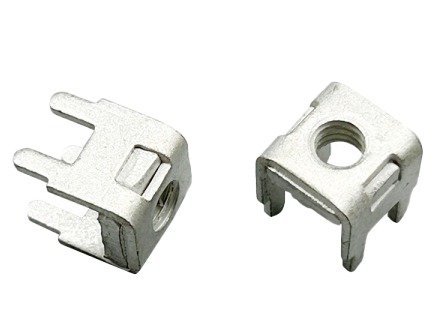
In industrial electrical systems, battery storage, and automotive wiring, connector terminal pins are the unsung backbone of power and signal transmission.
how to remove connector terminal pins
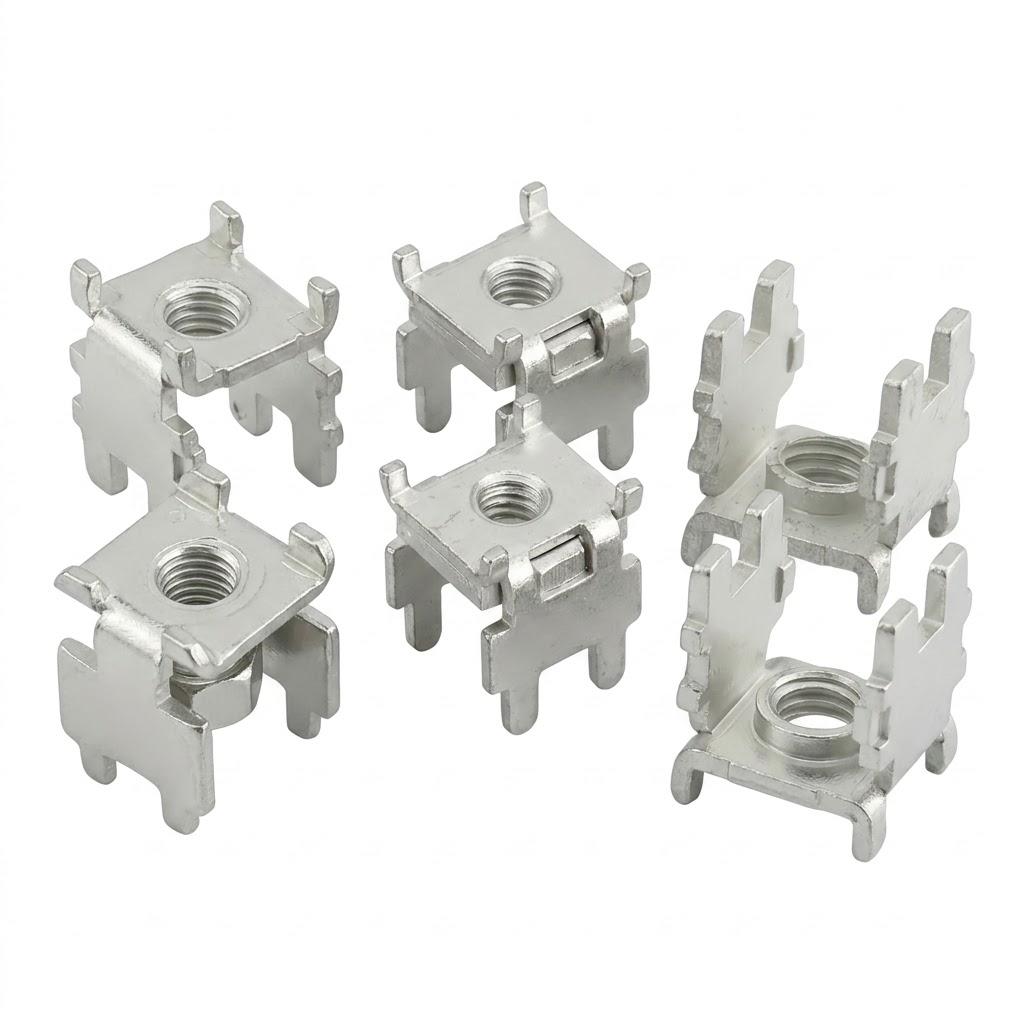
olar and energy storage inverters are the core equipment of the new energy industry, responsible for converting DC power generated by photovoltaic panels and lithium battery packs into usable AC power.
The Indispensable Core Partner of Solar