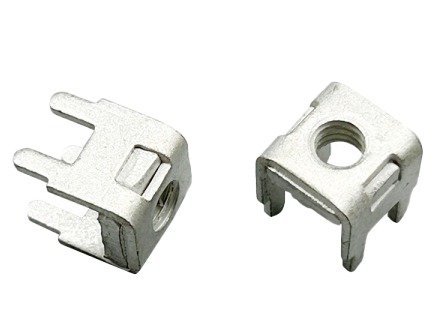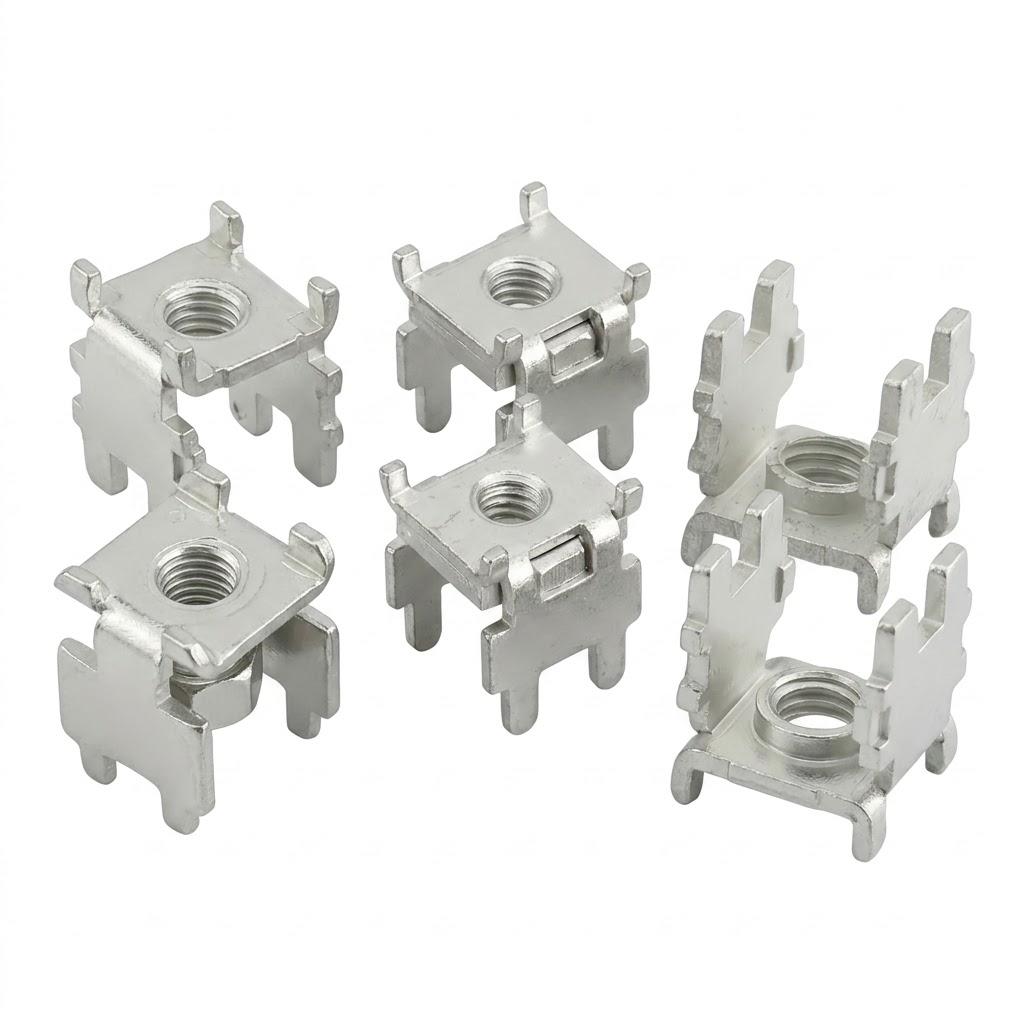
PCB Screw Terminals Usage Advantage
PCB Screw Terminals: Usage, Advantages, Convenience & Future Trends
PCB screw terminals are indispensable interface components in electronic systems, bridging PCBs with external wires through a reliable screw-clamping mechanism. Widely adopted in industrial automation, renewable energy, telecommunications, and consumer electronics, these terminals combine mechanical stability with electrical efficiency. Below is a detailed analysis of their practical usage, core advantages, operational convenience, and emerging industry trends.

Usage Perspective
From a practical standpoint, PCB screw terminals excel in scenarios requiring secure, maintainable connections. They support two primary mounting methods: through-hole technology (THT) for robust mechanical retention and surface-mount technology (SMT) for high-density PCB layouts. Key operational guidelines include:
- Wire Compatibility: Accommodating conductor cross-sections from 0.14mm² to 6mm², both solid and stranded wires.
- Torque Control: Tightening screws to 0.2-0.6N·m (per IEC 60947-7-4) prevents contact resistance buildup or housing damage.
- Environmental Adaptation: Operating reliably in -40℃ to 120℃, ideal for outdoor PV inverters and industrial control cabinets.
- Compliance Focus: Meeting IEC 60947-7-4 and UL 1059 standards ensures safety in high-voltage (up to 1000V AC/1500V DC) applications.
Typical use cases span PLC modules, battery management systems (BMS), and power distribution units, where periodic wire reconfiguration or maintenance is required.
Core Advantages
- Exceptional Reliability: The screw-clamping mechanism creates gas-tight connections, resisting vibration and thermal cycling. Copper alloy contacts with tin plating ensure contact resistance ≤20mΩ, minimizing energy loss.
- Broad Compatibility: Supporting wire sizes from AWG 28 to 14 and compatible with THT/SMT assembly, they integrate seamlessly into diverse PCB designs.
- Enhanced Safety: Insulation housings made of PA66 or PBT meet UL94 V-0 flame-retardant standards, preventing arcing and short circuits.
- Durability: Withstand 25+ insertion/withdrawal cycles and operate in harsh environments, from industrial workshops to outdoor renewable energy setups.
- Cost-Effectiveness: Eliminating the need for crimping tools or specialized connectors reduces overall system costs.
Operational Convenience
- Simplified Installation: Tool-assisted wiring (standard screwdriver) enables quick assembly without soldering for wires. Modular designs allow combining 2-24 positions via side locks.
- Space Efficiency: Double-layer or stacked configurations (e.g., 2.54mm pitch) optimize PCB real estate, critical for compact devices.
- Easy Maintenance: Screw adjustment facilitates wire replacement or reconfiguration, reducing downtime for industrial equipment.
- Clear Identification: Marking strips and color-coded housings simplify circuit tracing and troubleshooting.
- Universal Adaptability: Angled wire entry (0°/90°/135°) accommodates diverse enclosure layouts.
Future Trends
- Miniaturization & High Density: Pitch sizes shrinking to 2.54mm and below, enabling more connections per unit area for 5G and IoT devices on PCBs.
- Intelligent Integration: Embedded temperature/current sensors for real-time monitoring, supporting predictive maintenance in smart factories with screw terminal systems.
- Eco-Compliance: RoHS 3.0 and REACH-compliant materials becoming mandatory, with bio-based plastics and lead-free plating gaining traction for PCB screw terminals.
- Enhanced Performance: Higher current ratings (up to 50A) and improved heat dissipation to meet EV and energy storage demands for PCB screw terminals.
- Modular Innovation: Pluggable variants with integrated surge protection or fuses, streamlining system design on PCB boards.
The global PCB screw terminal market is projected to reach $56.2 billion by 2030 (CAGR 5.4%), driven by renewable energy and industrial automation. As electronic systems evolve, these terminals will remain vital, balancing reliability with advancing technological needs.
Clark
Director of Global Partnerships
How to Use a Terminal Block Complete Practical Guide
Terminal Blocks Evolving as Critical Connectors
Related Article