How to Use a Terminal Block
How to Use a Terminal Block: A Complete Professional Guide
With Real Industry Insights & Telian’s Expert Solutions
Across the global new energy sector, terminal block units serve as vital components that lock down safe, stable electrical connections. They appear in solar inverters, battery management systems (BMS), energy storage cabinets, industrial controllers and PV power stations — a properly used terminal block directly boosts system safety, stability and service life. Sadly, improper operation remains a top cause of overheating, loose wiring, screw thread damage and even full system failures.
Backed by years of on-site support for clients in Nigeria, Turkey, Australia, Brazil and across the globe, Telian Electronic (//www.duanzitai.com) has created this fully standardized, safe and practical guide to using terminal block products. We combine step-by-step operating procedures, real project cases and critical safety notes to help engineers, assembly teams and purchasers master proper usage. We also share Telian’s core strengths: high-quality, cost-effective products, full-chain manufacturing and professional custom solutions.

1. Preparations Before Using a Terminal Block
Thorough pre-installation checks directly determine connection reliability — cutting corners creates hidden risks for long-term operation.
1.1 Confirm Terminal Block Specifications
First, match your terminal block to your system’s exact parameters:
- Rated Current: Select based on real working current (standard range: 10A–200A)
- Rated Voltage: Verify compatibility with system voltage (600V is standard for industrial & new energy)
- Wire Range: Match the terminal’s supported cross-sectional area (1.5mm²–10mm²)
- Installation Type: Choose PCB-mounted, DIN-rail mounted or barrier-style terminals
Many clients ignore this critical step. A Nigerian BMS manufacturer once used under-rated terminal block parts in high-power systems, leading to serious overheating. After switching to Telian’s custom high-current terminals, the issue was fully resolved.
1.2 Prepare Required Tools
- Calibrated wire stripper for accurate insulation removal
- Phillips/slotted screwdriver matched to terminal screws
- Torque wrench for industrial & high-demand installations
- Multimeter for continuity & resistance testing
- Lint-free cloth to clean wires and terminal contacts
1.3 Safety Confirmation
Always cut off power before starting wiring work. Live operation brings electric shock and short-circuit risks. For high-voltage energy storage and inverter systems, double-check full power disconnection before proceeding.
2. Step-by-Step Guide: How to Use a Terminal Block Correctly
We focus on the two most widely used types: screw terminal block (the industry standard) and PCB stamped welding terminals (Telian’s flagship product for PV, inverter and BMS applications).
Step 1: Strip the Wire Properly
Remove insulation to the length marked on the terminal, typically 5–8 mm.
- Too short: Poor contact, easy wire pull-out, high resistance and overheating
- Too long: Exposed copper creates short-circuit hazards
For stranded wires: Twist strands tightly to prevent loose filaments. A Brazilian industrial client faced frequent failures from bad wire stripping — after adopting Telian’s operating standards, assembly line stability improved drastically.
Step 2: Install the Terminal Block
- DIN-rail terminals: Snap onto standard DIN rails and confirm secure locking
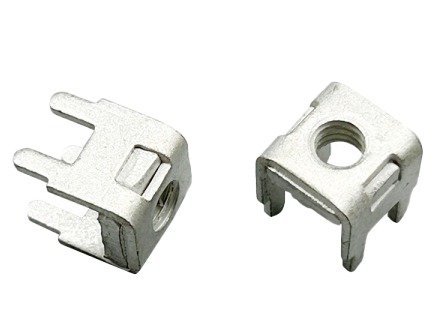
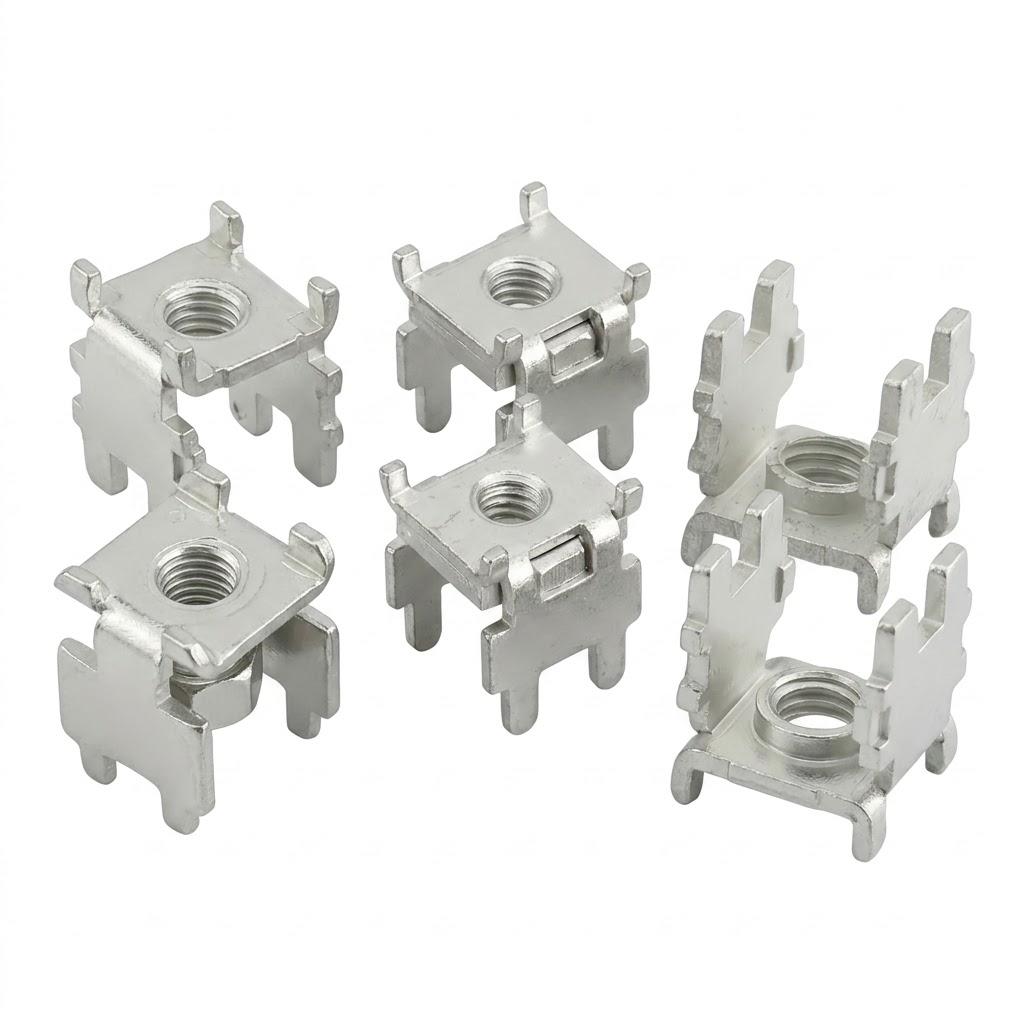
- PCB-mounted terminals: Align pins with PCB pads and secure via reflow/wave soldering. Telian’s PCB stamped welding terminals use high-precision pins for easier, more stable installation
Step 3: Loosen the Screw Properly
Turn the screw counterclockwise until the clamping plate lifts enough for easy wire insertion. Do not fully remove the screw — this causes misalignment or lost parts.
Step 4: Insert the Wire Fully
Push the stripped copper wire deep into the terminal cavity until it reaches the inner stop. All bare metal must stay inside the terminal block; zero exposed copper is allowed.
Step 5: Tighten the Screw to Standard Torque
Turn the screw clockwise slowly until the wire is firmly clamped.
For industrial and new energy projects: Use a torque wrench to hit the rated torque (8–12 lbf.in standard).
- Under-tightening: Loose wires, higher resistance and overheating
- Over-tightening: Thread stripping or terminal deformation
A Turkish government project client struggled with screw thread damage under high torque. Telian delivered custom high-strength terminals with reinforced screw structures, solving the problem completely.
Step 6: Inspect the Connection
- Gently pull the wire to test firmness
- Use a multimeter to check continuity and contact resistance
- Verify no exposed copper, bad soldering or abnormal looseness
Step 7: Power-On Testing
After full connection checks, restore power and monitor operating temperature. High-quality terminal block units show no abnormal heating or voltage drops.
3. Common Mistakes & Risks of Improper Use
Based on tens of thousands of global project cases, these are the most frequent errors:
- Non-standard wire stripping: Short circuits or poor electrical contact
- Under-tightened screws: Overheating, fire risks and system shutdowns
- Over-tightened screws: Thread damage and cracked terminal housings
- Dirty/oily wires: Increased contact resistance and performance loss
- Mismatched specifications: Terminal burnout under high current loads
These mistakes damage equipment, delay projects and create safety hazards. All risks are avoidable with premium terminal block products and standardized operation.
4. Why Telian’s Terminal Blocks Improve Usage Reliability
Proper operation depends on high-quality terminals. Telian designs its terminal block line to reduce installation difficulty while boosting long-term stability.
4.1 High Quality & Cost-Effective Pricing
We use high-conductivity copper alloy, UL94 V-0 flame-retardant housings and reinforced screw structures. Our terminals offer low contact resistance, high torque tolerance and stable performance — all at factory-direct prices to cut client costs without quality compromises.
4.2 Full-Chain Independent Manufacturing
We control every production stage: R&D, mold development, stamping, injection molding, assembly and testing. This guarantees consistent quality, fast lead times and flexible customization.
4.3 Strong Customization Capabilities
We build custom solutions for special structures, high-current demands, dual wire holes, 90° bending and PCB-specific designs. We’ve supported custom projects for Australian inverter makers, Turkish government energy programs and Brazilian energy enterprises.
4.4 Large-Scale Production Capacity
Monthly output exceeds 2,000,000 pieces, supported by professional testing labs and full-process quality control — ensuring stable supply for long-term strategic partners.
4.5 Harsh Environment Adaptability
Our terminals perform reliably in high-temperature, high-humidity and high-vibration environments, ideal for PV inverters, BMS, energy storage and industrial control systems worldwide.
Conclusion
Mastering how to use a terminal block is essential for professionals in electrical engineering, new energy and industrial automation. Correct operation eliminates failures, ensures safety and extends system lifespan.
Choosing a trusted terminal supplier is equally important. Telian delivers high-quality, affordable and customizable terminal block solutions with full-chain production and professional technical support. We are a long-term partner for clients in over 60 countries.
Whether you need standard parts or custom solutions for specialty projects, Telian is your reliable connection expert.
Clark
Director of Global Partnerships
What Does a Terminal Block Do
How Does a Terminal Block Work
Related Article