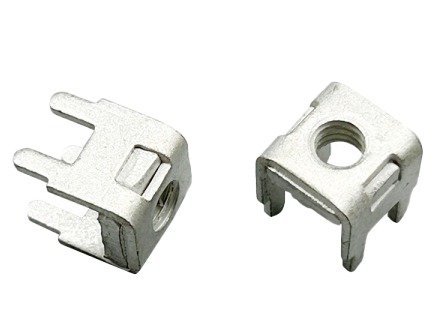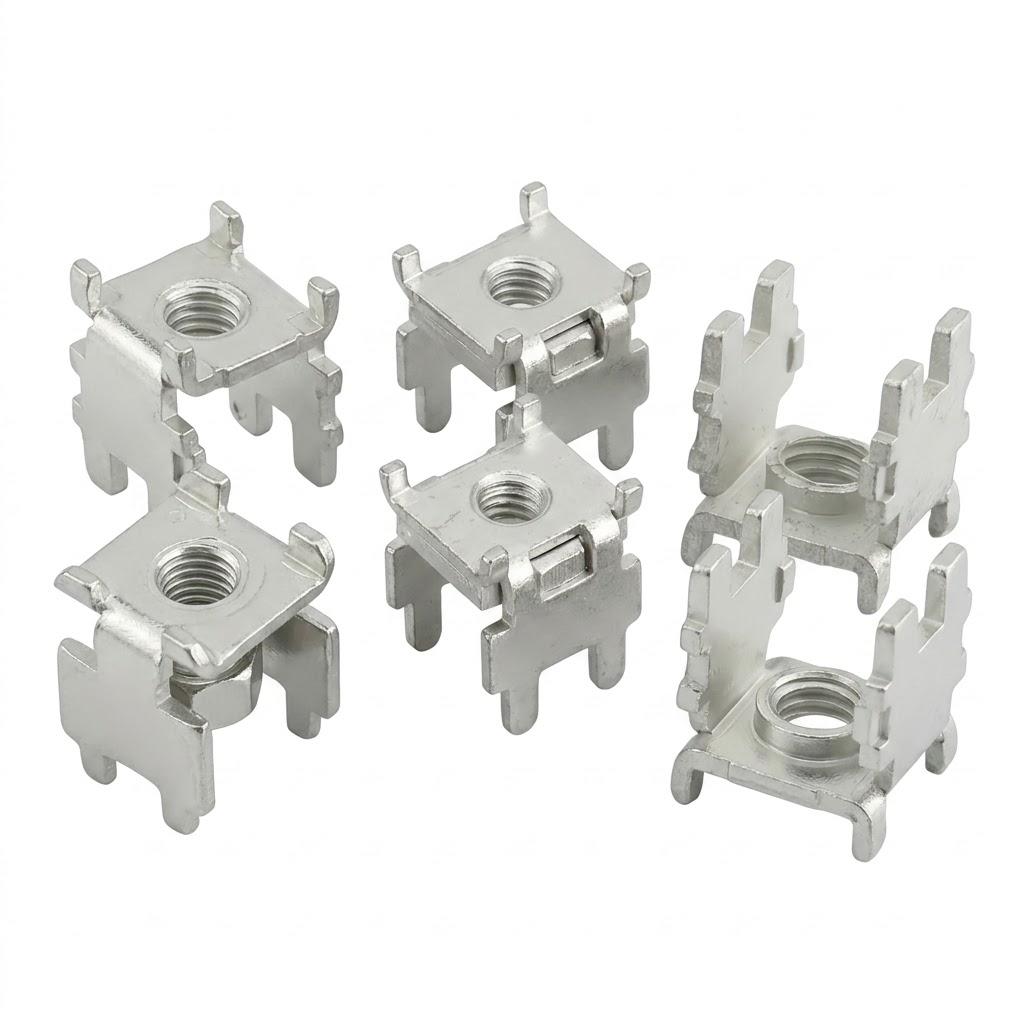
How Much Convenience Do PCB Welding Terminals
How Much Convenience Do PCB Welding Terminals Bring to the Energy Storage Industry?
Published on: May 24, 2024 | Category: Industrial Connectivity & Energy Storage
In the past two decades, the global energy storage industry has undergone a metamorphosis from a niche experimental technology to a cornerstone of the renewable energy revolution. Rewind to the early 2010s, when China’s landmark Zhangbei National Wind-Solar-Storage Transmission Demonstration Project laid the foundation for large-scale energy storage applications. Today, as the sector hurtles toward a cumulative installed capacity target of over 130GWh by 2025, terminal blocks for PCB welding have emerged as unsung heroes.
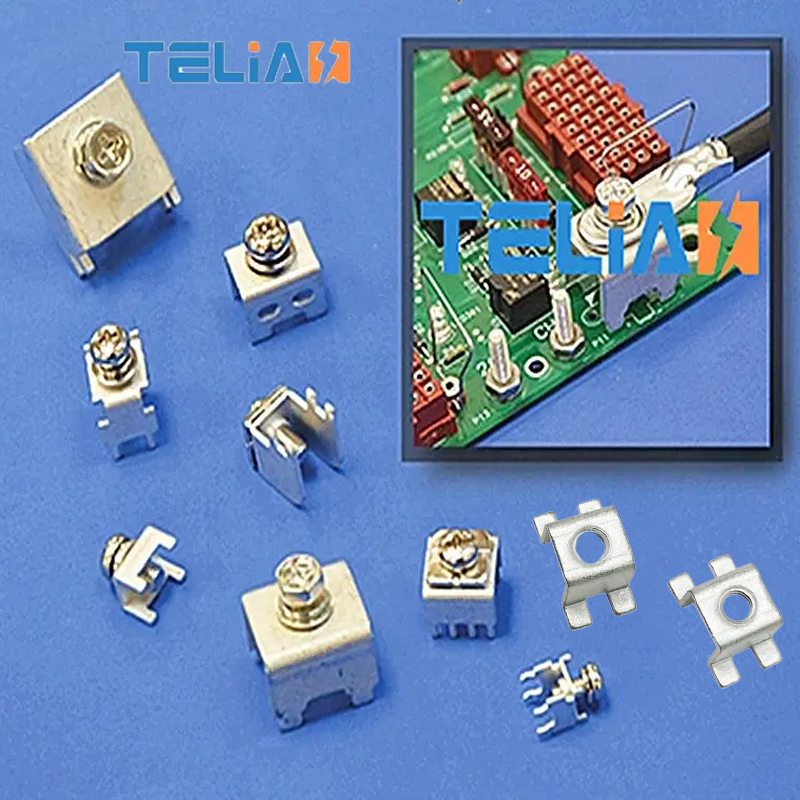
The Evolution from Manual Soldering to Precision Connectivity
The early days of energy storage were defined by compromise. Most systems relied on manual soldering for PCB connections, a labor-intensive process where quality depended entirely on operator skill. Engineers spent hours meticulously soldering terminal blocks, only to face recurring issues: cold joints that failed under thermal stress and inconsistent solder application.
The situation was exacerbated by the industry’s shift toward higher currents and voltages; traditional terminals simply couldn’t handle the 300A peak currents common in modern storage modules without overheating. This inefficiency not only delayed project commissioning but also drove up labor costs—rework rates for manual welding often exceeded 5%.
"Modern energy storage environments require components that can withstand extreme temperatures (-40℃ to +120℃) and high-current demands without failure."
Key Benefits of Advanced PCB Welding Terminals
1. Unmatched Installation Efficiency
Modern terminal blocks are engineered for automation. Laser tin ball soldering technology can weld a 4-pin or 34-pin terminal in seconds with ±0.05mm precision. For manufacturers, this reduces production cycles from a week down to a single day.
2. Revolutionary Reliability and Durability
Using high-TG substrates and thick copper layers (≥3oz), these terminals handle high currents without deformation. Surface treatments like Electroless Nickel Immersion Gold (ENIG) provide superior corrosion resistance, surviving over 1000 hours of salt spray testing—perfect for coastal energy storage sites.
3. Flexibility for Smart Grids
Whether for residential storage or utility-scale projects, these terminal blocks adapt to diverse needs. Compact designs allow for higher component density, supporting the miniaturization of energy storage modules critical for urban microgrids.
| Feature | Technical Advantage |
|---|---|
| Current Capacity | Supports up to 300A peak current |
| Temperature Range | Stable operation from -40℃ to +120℃ |
| Yield Rate | 99.9% pass rate with automated laser welding |
Empowering the Next Generation of Energy Storage
At Telian, we are at the forefront of this revolution. Our terminal blocks are engineered to address the unique challenges of modern storage, from 150℃ thermal stability to tool-free installation designs. By reducing labor costs and minimizing downtime, our solutions cut the total ownership cost of energy storage systems by 6-7%.
Telian Connectivity Experts
Specializing in High-Current PCB Terminals & New Energy Solutions
Phone: +86 15855488151
Web: www.duanzitai.com
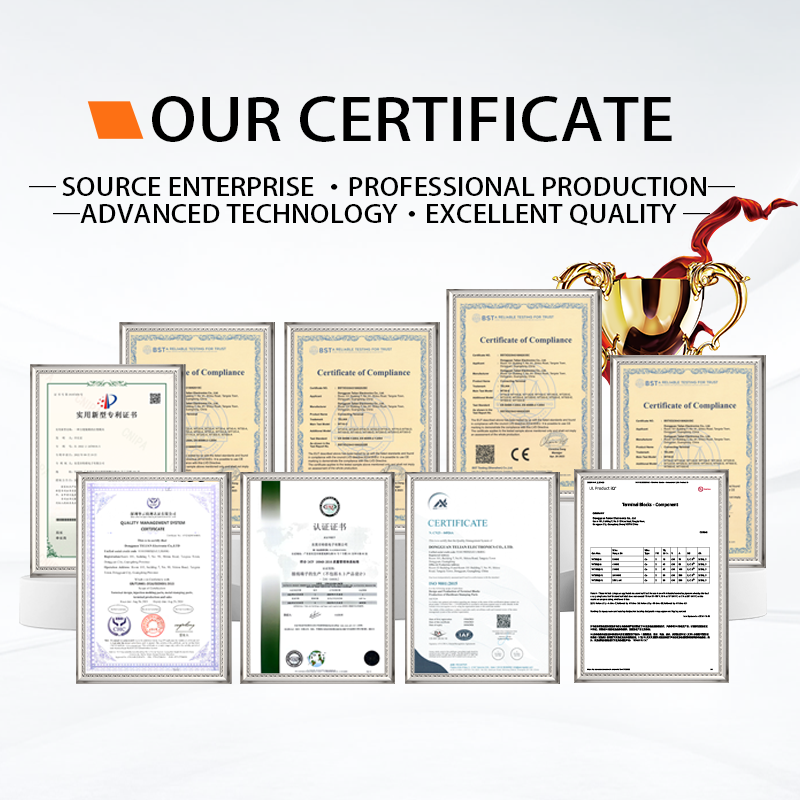
Certifications: UL, CE, ISO, IPC Class 3
Customized Solutions Available
What does TELIAN provide for the energy storage industry
Why DG Telian is the Preferred Partner
Related Article