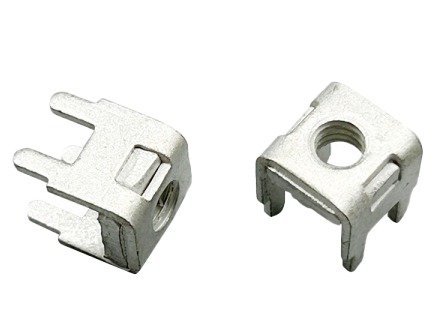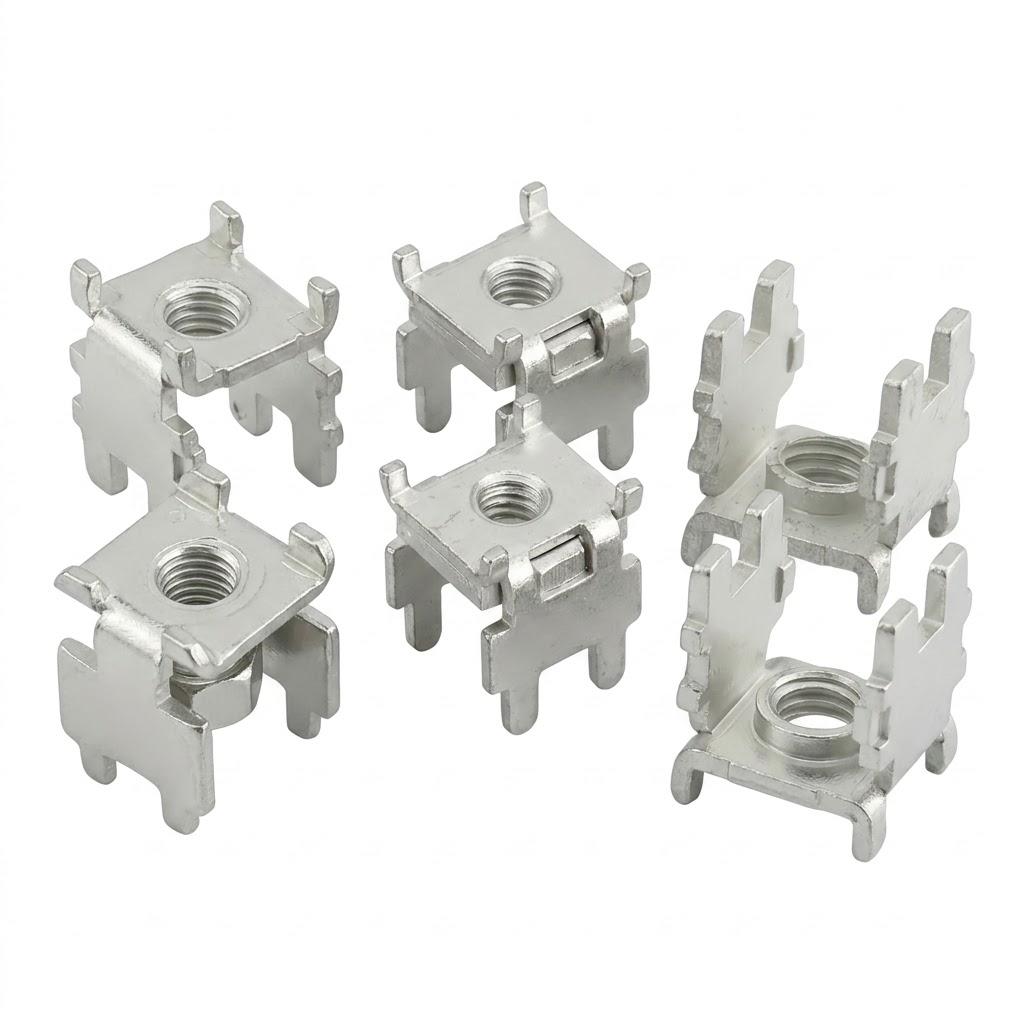
How Does a Terminal Block Work
How Does a Terminal Block Work? A Complete Guide to Fundamentals, Specs, Applications & Future Trends
A terminal block is far more than a basic wire connector. It acts as the core electrical connection component that guarantees safety, stability and efficiency across nearly all electronic and electrical systems. You can find terminal block products in household appliances, industrial inverters, solar power stations, new energy vehicles and countless other devices.
Many engineers and purchasers ask: How exactly does a terminal block work? We break down this question into four key sections to give you a full, practical understanding: basic working principles & core parameters, key technical requirements, typical application scenarios, and future development trends.
This guide is built on real industrial application experience and advanced manufacturing technology from Telian Electronic (//www.duanzitai.com), a top terminal block manufacturer based in China.

1. How Does a Terminal Block Work? Basic Principle & Core Parameters
Working Principle
A terminal block operates through a reliable mechanical and electrical structure. It secures and connects wires via clamping components (screws, springs or press plates), while its insulated housing isolates circuits to prevent short circuits and electrical hazards.
The working logic is straightforward and durable:
- Copper alloy conductive parts transmit electric current efficiently
- Clamping mechanisms lock wires firmly to avoid loosening
- Insulated shells separate circuits and ensure operational safety
Core Basic Parameters
These parameters define the performance of a terminal block and determine its compatibility with your electrical system:
(1) Rated Current (A)
The maximum continuous current a terminal can handle. Low-power models support ≤30A, medium-power options cover 40A–100A, and high-power versions (for energy storage and inverters) reach 150A, 180A and 200A.
(2) Rated Voltage (V)
600V is the most common specification, widely used in PV, industrial control and energy storage systems.
(3) Wire Size Range
Matches the cross-sectional area of wires, such as 1.5mm²–6mm², to ensure perfect fitting.
(4) Contact Resistance
Lower resistance means better performance. Premium terminal block products keep contact resistance ≤0.03mΩ.
(5) Withstand Voltage & Insulation
Prevents electrical breakdown and electric shock risks in harsh working conditions.
(6) Torque Value
Vital for screw terminals: insufficient torque causes overheating, while excessive torque leads to thread stripping.
(7) Operating Temperature
Industrial and new energy-grade terminals support a range of -40°C to 125°C for extreme environments.
2. Key Technical Requirements for Terminal Blocks
For a terminal block to work reliably long-term, it must meet strict global industry technical standards:
(1) High Conductivity & Low Heat Generation
High-purity copper or copper alloy materials reduce resistance and eliminate abnormal overheating during operation.
(2) High Mechanical Strength
Screws feature anti-slip structures; housings resist vibration, pressure and deformation; and the whole unit stays stable under high-torque installation.
(3) Excellent Insulation & Flame Retardancy
Housings use UL94 V-0 flame-retardant PA66 material for maximum fire safety.
(4) Strong Environmental Adaptability
Resists high/low temperatures, moisture, dust, corrosion and vibration – essential for automotive and energy storage applications.
(5) International Safety Certifications
Complies with UL, CE, CQC, RoHS and IATF16949 (automotive-grade) standards.
(6) Easy Installation & Maintenance
Designed for automated production lines and on-site wiring to improve efficiency.
3. Typical Application Scenarios
Now that you know how a terminal block works, let’s look at its real-world uses across key industries:
(1) Solar PV Systems
Applied in solar inverters, PV combiner boxes and PV control systems to ensure stable power transmission.
(2) Energy Storage Systems (ESS)
Critical for industrial and household energy storage, high-voltage battery cabinets and BMS (Battery Management System) equipment.
(3) New Energy Vehicles & Charging
Used in EV battery packs, charging piles and power distribution units for safe power connections.
(4) Industrial Control & Equipment
Integrated into PLCs, controllers, drivers, motors, power supplies and automation machinery.
(5) PCB & Electronic Equipment
Connects wires to PCBs in inverters, power supplies, lighting systems and outdoor power equipment.
In every application, the terminal block serves the same core purpose: safe connection, stable current transmission and reliable system protection.
4. Future Development Trends of Terminal Blocks
As the global new energy industry expands rapidly, terminal block technology is evolving quickly. Here are the key future trends:
(1) Higher Current & Higher Power
Developing toward 150A, 200A and even 300A for large-scale energy storage and ultra-fast EV charging systems.
(2) Miniaturization & High Density
Smaller form factors to fit more terminals in limited PCB and inverter spaces.
(3) Intelligence & Monitoring
Built-in temperature, current and voltage sensors for real-time fault early warning.
(4) Automation & Quick Connection
Spring-type, plug-in and tool-free terminals to speed up assembly lines.
(5) Full Customization
Tailored structures, sizes, pins and appearances for special industrial and new energy projects.
(6) Higher Safety & Environmental Protection
Enhanced flame retardancy, longer service life and eco-friendly raw materials.
Terminal blocks are becoming safer, smarter, more efficient and more customized to power the next generation of electrical systems.
Conclusion
To sum up how a terminal block works: it uses conductive components for current transmission, clamping structures for wire fixation, and insulating housings for circuit protection, delivering safe, stable and reliable electrical connections.
From core parameters and technical standards to applications and future trends, terminal block products are the unsung heroes driving the global new energy industry forward.
If you need high-quality, cost-effective and customizable terminal block solutions for inverters, energy storage, BMS, PV systems or industrial control, feel free to reach out to our team.
Clark
Director of Global Partnerships
Our Services:
Full-chain R&D, mold making, stamping, injection molding & assembly | OEM & ODM Custom Solutions
How to Use a Terminal Block
How to Attach Wire to Screw Terminal
Related Article