
A Comprehensive Guide to Telian Custom Solutions
author: calrk
2026-04-14
How Do Terminal Blocks Work: A Comprehensive Guide to Telian’s Custom Solutions
Terminal blocks are the unsung heroes of electrical systems, quietly ensuring reliable connections in everything from industrial machinery to renewable energy installations. But how do these essential components actually work, and what makes Telian’s terminal blocks stand out in a crowded market? Let’s dive into the science behind terminal blocks and explore why so many Chinese manufacturers trust Telian for their critical connection needs.
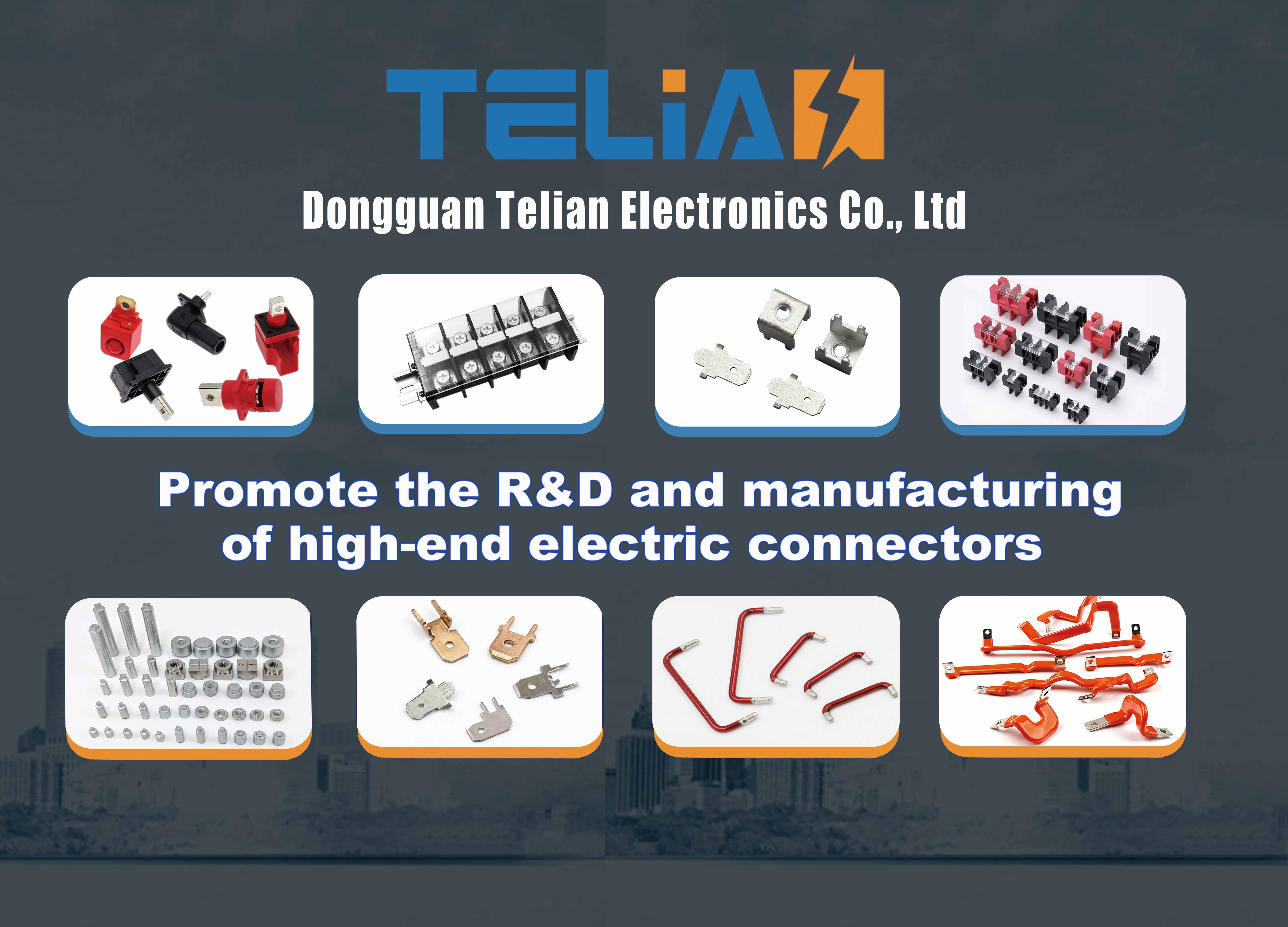
What Are Terminal Blocks and How Do They Function?
At their core, terminal blocks are modular electrical components designed to connect two or more conductors while maintaining safety and organization. Think of them as the "traffic controllers" of electrical systems, directing current flow between wires without direct physical contact that could cause short circuits or arcing.
A standard terminal block consists of two main parts:
- Insulating housing: Typically made of flame-retardant thermoplastics like PA66, this protects against electrical shock and isolates conductors
- Conductive element: Usually copper or brass alloy with plating (tin, silver, or gold) to ensure low-resistance current transfer and corrosion resistance
The magic happens in the clamping mechanism—the heart of every terminal block:
- Screw terminals: Most common type, where a screw tightens a metal clamp onto the wire, creating a secure connection (ideal for high-current applications)
- Spring terminals: Use a pre-tensioned spring to hold wires in place, allowing tool-free installation (great for vibration-prone environments)
- Push-in terminals: Enable quick, tool-free wire insertion by simply pushing the conductor into a slot that automatically locks it in place
When you insert a wire and activate the clamping mechanism, several things occur simultaneously:
- The clamp applies consistent pressure to penetrate any oxide layer on the wire
- A low-resistance metal-to-metal contact forms between the wire and conductor
- The insulation housing prevents accidental contact with live parts
- Mechanical strain relief protects the wire from damage at the connection point
This process creates a stable, reliable electrical path that can withstand temperature fluctuations, vibration, and environmental stressors common in industrial settings.
Key Components and Their Roles
To understand terminal block performance, let’s examine their critical components:
| Component | Function | Performance Impact |
|---|---|---|
| Current rating | Maximum safe current capacity | Determines suitability for low-power (5A) to high-power (200A+) applications |
| Voltage rating | Maximum voltage the block can handle | Critical for solar (up to 1000V DC) and industrial systems |
| Wire gauge compatibility | Range of wire sizes the terminal accepts | Must match application needs (e.g., 12-24 AWG for control circuits) |
| Insulation material | Protection against electrical hazards | PA66 offers superior flame resistance and temperature tolerance (-40°C to +105°C) |
| Plating material | Prevents oxidation and reduces resistance | Tin for general use, silver for high-frequency applications, gold for low-current precision connections |
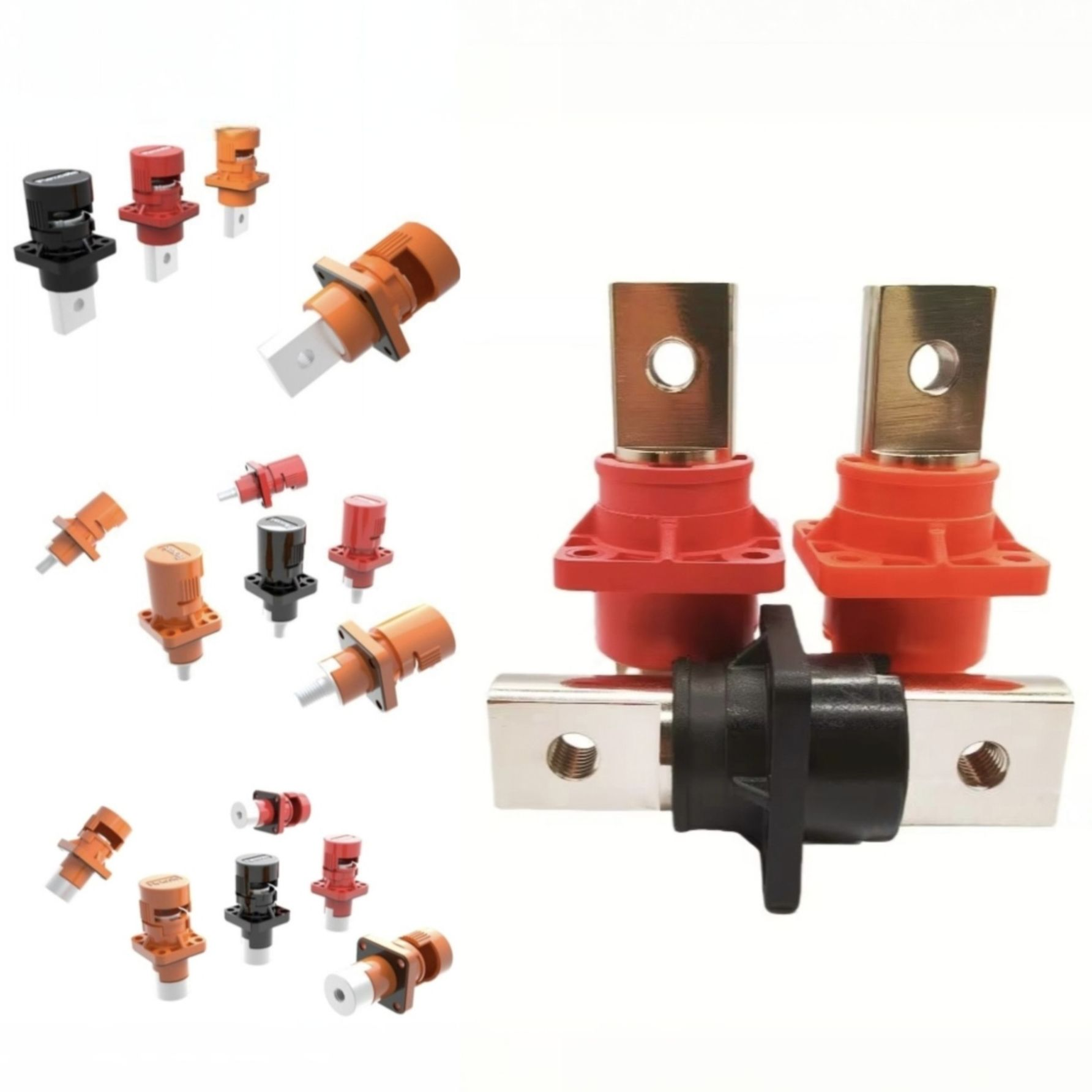
Why Telian’s Terminal Blocks Lead the Industry
Telian Electronics has established itself as a trusted name in terminal block manufacturing, with over a decade of experience serving global clients. What sets Telian apart is their commitment to customization—a game-changer for industries with unique connection requirements.
Customization: The Telian Advantage
Unlike off-the-shelf solutions that force compromises, Telian offers three core customization options that address specific engineering challenges:
-
Custom pin counts: From 2-pin to 24-pin configurations, Telian tailors terminal blocks to fit exact space constraints and connection needs. This eliminates the need for multiple standard blocks, reducing installation time and system complexity.
-
Current capacity optimization: Telian designs terminal blocks for precise current requirements, from 5A control circuits to 200A+ high-power applications common in energy storage systems. This ensures efficient power transfer without over-engineering or safety risks.
-
Material selection flexibility: Choose from:
- Conductors: Pure copper, brass alloys, or aluminum for specific conductivity needs
- Insulators: PA66, PC, or special high-temperature plastics for extreme environments
- Plating: Tin, silver, or gold plating based on corrosion resistance and conductivity requirements
This level of customization results in terminal blocks that integrate seamlessly into existing designs, improving performance while reducing costs associated with adapting standard components.
Why Telian’s Terminal Blocks Lead the Industry
Telian Electronics has established itself as a trusted name in terminal block manufacturing, with over a decade of experience serving global clients. What sets Telian apart is their commitment to customization—a game-changer for industries with unique connection requirements.
Customization: The Telian Advantage
Unlike off-the-shelf solutions that force compromises, Telian offers three core customization options that address specific engineering challenges:
-
Custom pin counts: From 2-pin to 24-pin configurations, Telian tailors terminal blocks to fit exact space constraints and connection needs. This eliminates the need for multiple standard blocks, reducing installation time and system complexity.
-
Current capacity optimization: Telian designs terminal blocks for precise current requirements, from 5A control circuits to 200A+ high-power applications common in energy storage systems. This ensures efficient power transfer without over-engineering or safety risks.
-
Material selection flexibility: Choose from:
- Conductors: Pure copper, brass alloys, or aluminum for specific conductivity needs
- Insulators: PA66, PC, or special high-temperature plastics for extreme environments
- Plating: Tin, silver, or gold plating based on corrosion resistance and conductivity requirements
This level of customization results in terminal blocks that integrate seamlessly into existing designs, improving performance while reducing costs associated with adapting standard components.
Telian’s Success in China’s Renewable Energy Sector
Telian has achieved significant market penetration in China, particularly in the booming photovoltaic (PV), energy storage, and inverter industries—with strong footholds in tech hubs like Shenzhen and Guangzhou.
What’s driving this adoption? Renewable energy systems demand specialized terminal blocks that can handle:
- High DC voltages (up to 1500V) common in solar installations
- Fluctuating current loads from variable sunlight
- Harsh environmental conditions (temperature swings, humidity, dust)
- Space constraints in compact inverter designs
Telian’s custom solutions address all these challenges. For example, a Shenzhen-based solar inverter manufacturer recently switched to Telian’s 12-pin, 80A terminal blocks with custom PA66 insulation, reducing installation time by 30% while improving heat dissipation and reliability in their compact designs.
Similarly, Guangzhou energy storage companies rely on Telian’s high-current (150A+) terminal blocks with silver-plated copper conductors to ensure efficient energy transfer between battery packs and inverters, even during peak load conditions.
Why Customization Matters in Modern Engineering
Off-the-shelf terminal blocks often force engineers to:
- Overdesign systems to accommodate standard pin counts
- Accept lower performance than needed for specific applications
- Compromise on space utilization
- Deal with compatibility issues between components
Telian’s approach eliminates these compromises by creating terminal blocks that:
- Fit perfectly into existing designs without modifications
- Deliver optimal performance for exact operating conditions
- Reduce component count and installation complexity
- Improve long-term reliability by matching material properties to environmental demands
Telian’s Commitment to Quality and Compliance
Customization doesn’t mean cutting corners on quality. Telian’s terminal blocks meet international standards including UL, CE, and RoHS, ensuring safety and reliability across global markets. Each custom design undergoes rigorous testing for:
- Current carrying capacity
- Voltage withstand
- Temperature cycling
- Vibration resistance
- Salt spray corrosion (for coastal installations)
Conclusion: The Future of Terminal Block Technology
As industries like renewable energy, industrial automation, and electric vehicles continue to evolve, the demand for specialized connection solutions will only grow. Telian’s focus on customization positions them at the forefront of this trend, offering engineers the flexibility to design without constraints.
Whether you’re building a solar inverter in Shenzhen, an energy storage system in Guangzhou, or any electrical device requiring reliable connections, understanding how terminal blocks work—and choosing the right custom solution—can make all the difference in performance, safety, and cost-effectiveness.
For those working on custom electrical projects, Telian’s terminal blocks represent more than just a connection point—they’re a partnership in engineering excellence that delivers precisely what your design needs, no compromises required.
The Advantages of PCB Soldering Terminal
What is a Terminal Block Used For
Related Article
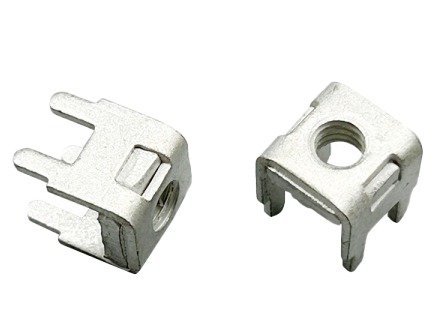
In industrial electrical systems, battery storage, and automotive wiring, connector terminal pins are the unsung backbone of power and signal transmission.
how to remove connector terminal pins
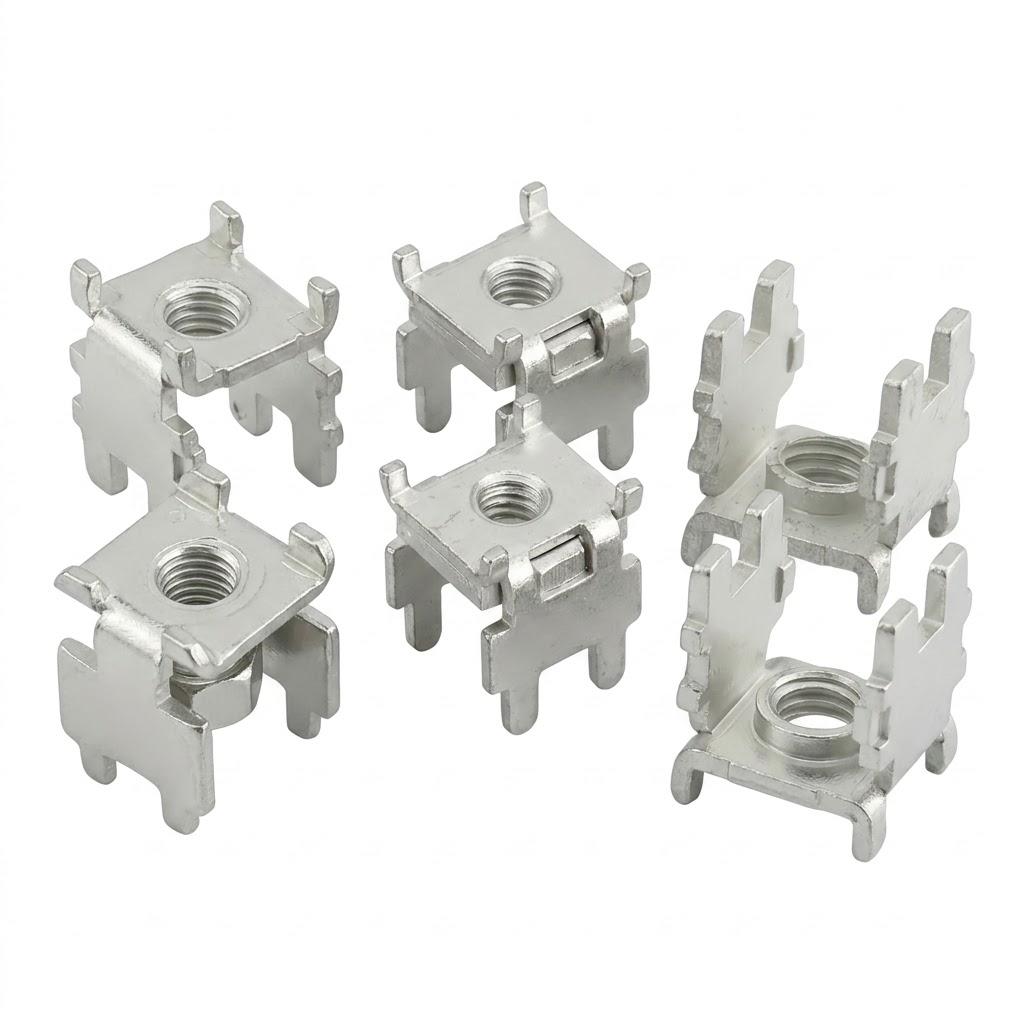
olar and energy storage inverters are the core equipment of the new energy industry, responsible for converting DC power generated by photovoltaic panels and lithium battery packs into usable AC power.
The Indispensable Core Partner of Solar